
Slc9a1 Rabbit Polyclonal Antibody

$1,145.00
2 Weeks*
Specifications
| Product Data | |
| Application | FC, IF, WB |
|---|---|
| Recommended Dilution | WB: 1:200-1:2000; FC: 1:50-1:600 |
| Reactivity | Human, Mouse, Rat |
| Antibody Host | Rabbit |
| Clonality | Polyclonal |
| Immunogen | Peptide (C)RERSIGDVTTAPSE, corresponding to amino acid residues 54-67 of rat NHE-1 . 1st extracellular loop. |
| Buffer | Lyophilized. Concentration before lyophilization ~0.8mg/ml (lot dependent, please refer to CoA along with shipment for actual concentration). Buffer before lyophilization: Phosphate buffered saline (PBS), pH 7.4, 1% BSA, 0.05% NaN3. |
| Reconstitution Method | Add 50 ul double distilled water (DDW) to the lyophilized powder. |
| Purification | Affinity purified on immobilized antigen. |
| Conjugation | Unconjugated |
| Storage | Store at -20°C as received. |
| Stability | Stable for 12 months from date of receipt. |
| Shipping | Ambient |
| Gene Name | solute carrier family 9 member A1 |
| Database Link | |
| Background | In order to function in optimal conditions, cells must maintain a close to neutral intracellular pH. They have adopted various mechanisms in order to do so, one of which is via Na+/H+Â exchangers (NHEs). Genes belonging to this group are expressed along a very broad range of organisms and are essential for protecting cells against intracellular acidification.To date, nine genes have been identified in mammals; NHE1-9. These membrane proteins have 10-12 transmembrane domains depending on whether a splice variant is expressed and an intracellular N-terminal. The C-terminal domain can be either intracellular or extracellular, also depending whether a splice variant of the protein is involved. The C-terminal part of the protein also undergoes posttranslational modification such as phosphorylation.Both NHE-1 and NHE-2 have an extracellular loop which is glycosylated.Under physiological conditions, the Na+/H+ exchanger mediates the exchange of one extracellular Na+ ion for one intracellular proton, thereby keeping the overall charge neutral1. The extracellular binding site of Na+ is not selective as it can also bind Li+ and H+ .K+ ions inhibit NHE-1 but have no effect on NHE-2.The activation of NHE-1 and NHE-2 is sensitive to intracellular acidic pH. Under physiological conditions, both exchangers are not active and upon a drop of intracellular pH, they are rapidly activated.NHE-1 expression is ubiquitous and may serve as a housekeeping gene. |
| Synonyms | APNH; APNH1; FLJ42224; NHE-1; NHE1 |
| Reference Data | |
Reviews


Documents
| Product Manuals |
| FAQs |
| SDS |
Citations
Characterization of intracellular buffering power in human induced pluripotent stem cells and the loss of pluripotency is delayed by acidic stimulation and increase of NHE1 activity
Lee, Chao, Chou et al
J. Cell. Physiol. (2020)
Lee, Chao, Chou et al
J. Cell. Physiol. (2020)
Cited by 1
AI Summary: OriGene contributed to this study by providing the NHE1 antibody (TA328914), which was used in Western blot analyses to assess NHE1 protein expression in human induced pluripotent stem cells.
Snippet: Western blot analysis was performed as described previously (Chao et al., 2018) with the following antibodies: NHE1 (1:1,000;Origene;TA328914), OCT4 (1:2,000;Abcam;ab181557), NANOG (1:1,000, Abcam;ab109250), SOX2 (1:1,000;ab92494) and β;- Western blot analysis was performed as described previously (Chao et al., 2018) with the following antibodies: NHE1 (1:1,000
Effects of Andrographolide on Intracellular pH Regulation, Cellular Migration, and Apoptosis in Human Cervical Cancer Cells †
Loh, Tsai, Huang et al
Cancers (Basel) (2020) 12 (2) DOI: 10.3390/cancers12020387
Loh, Tsai, Huang et al
Cancers (Basel) (2020) 12 (2) DOI: 10.3390/cancers12020387
Cited by 19
AI Summary: In this study, the OriGene anti-NHE1 antibody (TA328914) was used to assess the expression of the Na+/H+ exchanger isoform 1 (NHE1) in human cervical cancer cells, contributing to the investigation of how Andrographolide affects intracellular pH regulation and cancer cell behavior.
Snippet: The primary antibodies used in the present study include anti-NHE1 (1:1000, TA328914, Origene;Rockville, MD, USA), anti-V-ATPase C1 monoclonal antibody (1:1000, sc-166848, Santa Cruz Biotechnology, Dallas, TX, USA), anti-β-actin (1:5000, GTX100118, GeneTex, Irvine, CA, USA), anti-pro Caspase 3 polyclonal antibody (1:1000, 9662, Cell Signaling), anti-cleaved
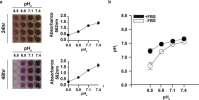
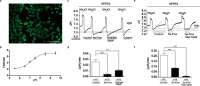
Acidic Stress Triggers Sodium-Coupled Bicarbonate Transport and Promotes Survival in A375 Human Melanoma Cells
Yang, Loh
Sci Rep (2019) 9 (1), 6858 DOI: 10.1038/s41598-019-43262-y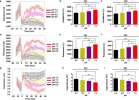
Yang, Loh
Sci Rep (2019) 9 (1), 6858 DOI: 10.1038/s41598-019-43262-y
AI Summary: OriGene products contributed anti-NBCe1, anti-NBCe2, anti-NHE1, and anti-NHE2 antibodies, which were used to detect and study the expression of specific sodium-coupled bicarbonate transporters and sodium-hydrogen exchangers in melanoma cells.
Snippet: s, MO), Lactate (Sigma) were added to the solutions at the indicated concentrations shortly prior to use. Antibodies The following antibodies were used in the experiments: Anti-NBCe1 and Anti-NBCe2 (Origene, Rockville, MD), Anti-NBCn1 (Abgent, San Diego, CA), Anti-NDCBE (Aviva Systems Biology, San Diego, CA). Anti-NHE1 and Anti-NHE2 (Origene), Anti-NHE3 (Thermo Fisher), Anti-NHE7 (GeneTex, Irvine
Expressional and Functional Characterization of Intracellular pH Regulators and Effects of Ethanol in Human Oral Epidermoid Carcinoma Cells
Lee, Chao, Huang et al
Cell. Physiol. Biochem. (2018) 47 (5), 2056-2068 DOI: 10.1159/000491473
Lee, Chao, Huang et al
Cell. Physiol. Biochem. (2018) 47 (5), 2056-2068 DOI: 10.1159/000491473
Functional and molecular characterization of transmembrane intracellular pH regulators in human dental pulp stem cells
Chen, Lee, Huang et al
Arch Oral Biol (2018) 90, 19-26 DOI: 10.1016/j.archoralbio.2018.02.018
Chen, Lee, Huang et al
Arch Oral Biol (2018) 90, 19-26 DOI: 10.1016/j.archoralbio.2018.02.018
Cited by 13
AI Summary: OriGene products, specifically anti-NHE1, anti-NHE2, anti-NBCe1, anti-NBCn1, anti-AE1, anti-AE2, anti-AE3, anti-AE4, and anti-CHE antibodies, were used for Western blot analysis to identify the isoforms of intracellular pH regulators expressed in human dental pulp stem cells in this study.
Showing 1-5 of 5 papers.
Powered by BizGenius
*Delivery time may vary from web posted schedule. Occasional delays may occur due to unforeseen
complexities in the preparation of your product. International customers may expect an additional 1-2 weeks
in shipping.
Related Products
- Price:
- Actual Price:
Welcome to OriGene AI!
I'm your AI-powered guide to everything OriGene.
Ask me anything:
- Product specs
- Ordering help
- Technical questions
- How to find exactly what your experiment needs
Prefer a live agent? Connect with us by clicking the green chat icon, as seen in the image below or email our team at custsupport@origene.com.
