
Heme Oxygenase 1 (HMOX1) Mouse Monoclonal Antibody [Clone ID: 1F12-A6]

Specifications
| Product Data | |
| Clone Name | 1F12-A6 |
|---|---|
| Application | WB |
| Recommended Dilution | WB: 1:500-1000 |
| Reactivity | Bovine, Human, Mouse |
| Antibody Host | Mouse |
| Isotype | IgG1, kappa |
| Clonality | Monoclonal |
| Immunogen | Human HO-1 synthetic peptide, amino acids 1-30 |
| Buffer | PBS pH7.4, 50% glycerol |
| Concentration | lot specific |
| Purification | Protein G Purified |
| Conjugation | Unconjugated |
| Storage | Store at -20°C as received. |
| Stability | Stable for 12 months from date of receipt. |
| Shipping | Blue Ice |
| Gene Name | heme oxygenase 1 |
| Database Link | |
| Background | Heme-oxygenase is a ubiquitous enzyme that catalyzes the initial and rate-limiting steps in heme catabolism yielding equimolar amounts of biliverdin, iron and carbon monoxide. Biliverdin is subsequently converted to bilirubin and the free iron is sequestered to ferritin . These products have important physiological effects as carbon monoxide is a potent vasodilator; biliverdin and bilirubin are potent antioxidants; and the free iron increases oxidative stress and regulates the expression of many mRNAs .There are three isoforms of heme-oxygenase, HO-1, HO-2 and HO-3; however HO-1 and HO-2 are the major isoforms as they both have been identified in mammals . HO-1, also known as heat shock protein 32, is an inducible isoform activated by most oxidative stress inducers, cytokines, inflammatory agents and heat shock. HO-2 is a constitutive isoform which is expressed under homeostatic conditions. HO-1 is also considered to be a cytoprotective factor in that free heme is highly reactive and cytotoxic, and secondly, carbon monoxide is a mediator inhibiting the inflammatory process and bilirubin is a scavenger for reactive oxygen, both of which are the end products of heme catalyzation . It has also been shown that HO-1 deficiency may cause reduced stress defense, a pro-inflammatory tendency , susceptibility to atherosclerotic lesion formation , endothelial cell injury, and growth retardation . Up-regulation of HO-1 is therefore said to be one of the major defense mechanisms of oxidative stress . |
| Synonyms | bK286B10; HMOX1D; HO-1; HSP32 |
| Note | Detects a 32kDa protein, corresponding to the molecular mass of HO-1 on SDS Page immunoblots. Does not cross-react with HO-2 |
| Reference Data | |
| Protein Categories | Chemokines, Cytokines, Intracellular Proteins, Membrane Proteins |
| Protein Families | Druggable Genome, Transmembrane |
| Protein Pathways | Porphyrin and chlorophyll metabolism |
Reviews


Documents
| Product Manuals |
| FAQs |
| SDS |
Citations
Macrophages are exploited from an innate wound healing response to facilitate cancer metastasis
Muliaditan, Caron, Okesola et al
Nat Commun (2018) 9 (1), 2951 DOI: 10.1038/s41467-018-05346-7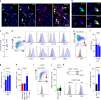
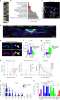
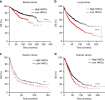
Muliaditan, Caron, Okesola et al
Nat Commun (2018) 9 (1), 2951 DOI: 10.1038/s41467-018-05346-7
AI Summary: OriGene’s HO-1 antibody (mouse: EP1391Y) was used in this study to detect and analyze HO-1 protein expression in tumour-associated macrophages by western blot, contributing to the characterization of macrophage phenotypes involved in cancer metastasis.
Snippet: n 4T1 and E0771 tumours (Fig. 2j), which was expected since IL-24 is a known tumour suppressor gene33, inhibiting cell proliferation and migration in the wound healing context and thus preventing tumorigenesis34. Analysis of the microarray data for the FAP+ TAM population isolated from 4T1 tumours (Fig. 2a) revealed that these cells were also directly expressing some of the acute wound inflammat;C...
Showing 1-1 of 1 papers.
Powered by BizGenius
*Delivery time may vary from web posted schedule. Occasional delays may occur due to unforeseen
complexities in the preparation of your product. International customers may expect an additional 1-2 weeks
in shipping.
Related Products
- Price:
- Actual Price:
Welcome to OriGene AI!
I'm your AI-powered guide to everything OriGene.
Ask me anything:
- Product specs
- Ordering help
- Technical questions
- How to find exactly what your experiment needs
Prefer a live agent? Connect with us by clicking the green chat icon, as seen in the image below or email our team at custsupport@origene.com.
