
GPR37 Rabbit Polyclonal Antibody

Specifications
| Product Data | |
| Application | IHC, WB |
|---|---|
| Recommended Dilution | WB:1/1000, IHC-P:1/50-200 |
| Reactivity | Human, Mouse |
| Antibody Host | Rabbit |
| Isotype | IgG |
| Clonality | Polyclonal |
| Immunogen | This Pael-R (GPR37) antibody is generated from rabbits immunized with a KLH conjugated synthetic peptide between 97-126 amino acids from the N-terminal region of human Pael-R (GPR37). |
| Specificity | This Pael-R (GPR37) antibody is generated from rabbits immunized with a KLH conjugated synthetic peptide between 97-126 amino acids from the N-terminal region of human Pael-R (GPR37). |
| Buffer | Purified polyclonal antibody supplied in PBS with 0.09% (W/V) sodium azide. |
| Concentration | lot specific |
| Purification | Purified polyclonal antibody supplied in PBS with 0.09% (W/V) sodium azide. This antibody is purified through a protein A column, followed by peptide affinity purification. |
| Conjugation | Unconjugated |
| Storage | Store at -20°C as received. |
| Stability | Shelf life: one year from despatch. |
| Shipping | Blue Ice |
| Predicted Protein Size | 67.1 kDa |
| Gene Name | G protein-coupled receptor 37 |
| Database Link | |
| Background | Parkinson is the second most common neurodegenerative disease after Alzheimers. About 1 percent of people over the age of 65 and 3 percent of people over the age of 75 are affected by the disease. The mutation is the most common cause of Parkinson disease identified to date. The function of Park2 is not well-known; however, it may play a role in the ubiquitin-mediated proteolytic pathway. Mutations in this gene are known to cause autosomal recessive juvenile parkinsonism. Alternative splicing of this gene produces three known products of undetermined function. Panneuronal expression of Parkin substrate Pael-R causes age-dependent selective degeneration of Drosophila dopaminergic (DA) neurons; coexpression of Parkin degrades Pael-R and suppresses its toxicity. |
| Synonyms | EDNRBL; hET(B)R-LP; PAELR |
| Reference Data | |
| Protein Families | Druggable Genome, GPCR, Transmembrane |
| Protein Pathways | Parkinson's disease |
Reviews


Documents
| Product Manuals |
| FAQs |
| SDS |
Citations
Construction and validation of a prognostic model based on oxidative stress-related genes in non-small cell lung cancer (NSCLC): predicting patient outcomes and therapy responses
Sun, Lu, Zhao et al
Transl Lung Cancer Res (2024) 13 (11), 3152-3174 DOI: 10.21037/tlcr-24-888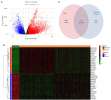
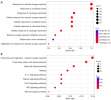
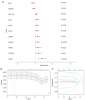
Sun, Lu, Zhao et al
Transl Lung Cancer Res (2024) 13 (11), 3152-3174 DOI: 10.21037/tlcr-24-888
Cited by 4
AI Summary: In this study, OriGene's antibodies against human transient receptor potential cation channel subfamily A (TRPA1) (TA382859) and GPR37 (TA324840) were used to validate the expression of key oxidative stress-related biomarkers identified in the prognostic model for non-small cell lung cancer.
Snippet: 31-2-AP) were purchased from Proteintech (Wuhan, China). The antibodies against human transient receptor potential cation channel subfamily A (TRPA1) (TA382859) and GPR37 (TA324840) was obtained from OriGene Technologies (Rockville USA). The antibodies against SIRPA (ab260039), CDK1 (ab133327), ECT2 (ab236502), COL1A1 (ab138492), and BTK (ab208937) were purchased from Abcam Biotechnology. In accor
Showing 1-1 of 1 papers.
Powered by BizGenius
*Delivery time may vary from web posted schedule. Occasional delays may occur due to unforeseen
complexities in the preparation of your product. International customers may expect an additional 1-2 weeks
in shipping.
Related Products
- Price:
- Actual Price:
Welcome to OriGene AI!
I'm your AI-powered guide to everything OriGene.
Ask me anything:
- Product specs
- Ordering help
- Technical questions
- How to find exactly what your experiment needs
Prefer a live agent? Connect with us by clicking the green chat icon, as seen in the image below or email our team at custsupport@origene.com.
