
Serine Palmitoyltransferase (SPTLC2) Rabbit Polyclonal Antibody

Specifications
| Product Data | |
| Application | IF, WB |
|---|---|
| Recommended Dilution | WB: 1 ug/mL, ICC: 10 ug/mL, IF: 20 ug/mL |
| Reactivity | Human, Mouse, Rat |
| Antibody Host | Rabbit |
| Isotype | IgG |
| Clonality | Polyclonal |
| Immunogen | SPT2 antibody was raised against a 15 amino acid synthetic peptide near the carboxy terminus of human SPT2. |
| Buffer | SPT2 Antibody is supplied in PBS containing 0.02% sodium azide. |
| Concentration | 1ug/ul |
| Purification | SPT2 Antibody is affinity chromatography purified via peptide column. |
| Conjugation | Unconjugated |
| Storage | Store at -20°C as received. |
| Stability | Stable for 12 months from date of receipt. |
| Shipping | Blue Ice |
| Gene Name | serine palmitoyltransferase long chain base subunit 2 |
| Database Link | |
| Background | SPT2 Antibody: Serine palmitoyltransferase (SPT), which consists of two different subunits, is the key enzyme in sphingolipid biosynthesis. It converts L-serine and palmitoyl-CoA to 3-oxosphinganine with pyridoxal 5'-phosphate as a cofactor. SPT2 is the long chain base subunit 2 of mammalian serine palmitoyltransferase. SPT2 is catalytically active but needs its related protein SPT1 for its stabilization and anchoring the holoenzyme to the cytosolic face of the endoplasmic reticulum. As in the case with SPT1, mutations in the SPT2 gene can cause hereditary sensory and autonomic neuropathy type I (HSAN-I), resulting from a loss of SPT activity as well as the accumulation of the atypical and neurotoxic sphingoid metabolite 1-deoxy-sphinganine. |
| Synonyms | hLCB2a; HSN1C; LCB2; LCB2A; NSAN1C; SPT2 |
| Reference Data | |
| Protein Categories | Membrane Proteins, Nervous system Diseases |
| Protein Pathways | Metabolic pathways, Sphingolipid metabolism |
Reviews


Documents
| Product Manuals |
| FAQs |
| SDS |
Citations
Sphinganine recruits TLR4 adaptors in macrophages and promotes inflammation in murine models of sepsis and melanoma
Hering, Madi, Sandhoff et al
Nat Commun (2024) 15 (1), 6067 DOI: 10.1038/s41467-024-50341-w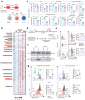
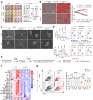
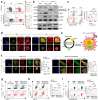
Hering, Madi, Sandhoff et al
Nat Commun (2024) 15 (1), 6067 DOI: 10.1038/s41467-024-50341-w
Cited by 45
AI Summary: OriGene’s anti-Sptlc2 antibody (#TA319780) was used in this study to detect Sptlc2 protein levels, helping to assess the role of sphingolipid biosynthesis in TLR4 signaling and inflammation in macrophages.
Snippet: were blocked with 5% BSA (Sigma-Aldrich, #A9647) in PBS supplemented with 0.1% Tween 20 (Promega, #H5152;PBST) for 2 h at room temperature, then incubated overnight at 4 °C with anti-Sptlc2 (Origene, #TA319780), anti-Grp94 (Cell Signaling Technology, #20292, D6X2Q), anti-Bcl-2 (Cell Signaling Technology, #3498, D17C4), anti-phospho-NF-κB p65(Ser536;Cell Signaling Technology, #3033, 93H1
SSSPTA is essential for serine palmitoyltransferase function during development and hematopoiesis
Parthibane, Lin, Acharya et al
J Biol Chem (2021) 296, 100491 DOI: 10.1016/j.jbc.2021.100491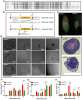
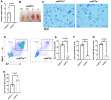
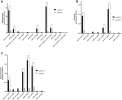
Parthibane, Lin, Acharya et al
J Biol Chem (2021) 296, 100491 DOI: 10.1016/j.jbc.2021.100491
Cited by 16
AI Summary: OriGene products, specifically the SPTLC1 (Cat# RC200806) and SPTLC2 (Cat# RC210427) cDNA clones, were used in this study to investigate the roles of SPT complex subunits in development and hematopoiesis by enabling the expression and functional analysis of these genes.
SSSPTA is essential for serine palmitoyltransferase function during development and hematopoiesis
Parthibane, Lin, Acharya et al
Journal of Biological Chemistry (2021)
Parthibane, Lin, Acharya et al
Journal of Biological Chemistry (2021)
Cited by 16
AI Summary: OriGene’s SPTLC2 antibody (CAT#: TA319780) was used in this study to investigate the role of SSSPTA in serine palmitoyltransferase complex function during development and hematopoiesis.
Snippet: Skip to article;SPTLC1 antibodies were generated from our laboratory. SPTLC2 (CAT#: TA319780) antibodies were purchased from ORIGENE
Loss of Neurological Disease HSAN-I-Associated Gene SPTLC2 Impairs CD8+ T Cell Responses to Infection by Inhibiting T Cell Metabolic Fitness
Wu, Ma, Sandhoff et al
Immunity (2019) 50 (5), 1218-1231.e5 DOI: 10.1016/j.immuni.2019.03.005
Wu, Ma, Sandhoff et al
Immunity (2019) 50 (5), 1218-1231.e5 DOI: 10.1016/j.immuni.2019.03.005
Cited by 55
AI Summary: OriGene products contributed to this study by providing the SPTLC2 shRNA (OriGene, TL313721) used for gene knockdown experiments to investigate the role of SPTLC2 in CD8+ T cell responses.
Loss of Neurological Disease HSAN-I-Associated Gene SPTLC2 Impairs CD8+ T Cell Responses to Infection by Inhibiting T Cell Metabolic Fitness
Wu, Ma, Sandhoff et al
Immunity (2019) 50 (5), 1218-1231.e5 DOI: 10.1016/j.immuni.2019.03.005
Wu, Ma, Sandhoff et al
Immunity (2019) 50 (5), 1218-1231.e5 DOI: 10.1016/j.immuni.2019.03.005
AI Summary: OriGene’s SPTLC2 (C-term) antibody (Cat# TA319780) was used in this study to detect SPTLC2 protein levels, helping to elucidate how loss of SPTLC2 impairs CD8+ T cell responses and metabolic fitness.
Snippet: ;Phospho-PERK (Thr980) (16F8) Rabbit mAb Cell Signaling Technology Cell Signaling Technology Cat# 3179S;RRID: AB_2095853 SPTLC2 (C-term) antibody OriGene Cat# TA319780 Phosphor-NF-kB p65 Ser536 (93H1) Rabbit mAb antibody Cell Signaling Technology Cell Signaling Technology Cat# 3033 Phospho-p38 MAPK (Thr180/Tyr182) (D3F9) XP Rabbit mAb Cell Signaling Technology Cell Signaling Technology Cat# 4511 Phospho-SAPK/JNK (Thr183/Tyr185) (81E11) Rabbit mAb Cell Signaling Technology Cell Signaling Technology Cat# 4668
Showing 1-5 of 5 papers.
Powered by BizGenius
*Delivery time may vary from web posted schedule. Occasional delays may occur due to unforeseen
complexities in the preparation of your product. International customers may expect an additional 1-2 weeks
in shipping.
Related Products
- Price:
- Actual Price:
Welcome to OriGene AI!
I'm your AI-powered guide to everything OriGene.
Ask me anything:
- Product specs
- Ordering help
- Technical questions
- How to find exactly what your experiment needs
Prefer a live agent? Connect with us by clicking the green chat icon, as seen in the image below or email our team at custsupport@origene.com.
