
PAK2 Rabbit Polyclonal Antibody

Specifications
| Product Data | |
| Application | IF, IHC, WB |
|---|---|
| Recommended Dilution | WB: 0.5 - 2 ug/mL, ICC: 10 ug/mL, IF: 20 ug/mL |
| Reactivity | Human, Mouse, Rat |
| Antibody Host | Rabbit |
| Isotype | IgG |
| Clonality | Polyclonal |
| Immunogen | PAK2 antibody was raised against a 14 amino acid peptide from near the amino terminus of human PAK2. |
| Buffer | PBS containing 0.02% sodium azide. |
| Concentration | 1ug/ul |
| Purification | Affinity chromatography purified via peptide column |
| Conjugation | Unconjugated |
| Storage | Store at -20°C as received. |
| Stability | Stable for 12 months from date of receipt. |
| Shipping | Blue Ice |
| Gene Name | p21 (RAC1) activated kinase 2 |
| Database Link | |
| Background | The p21-activated kinases (PAKs) are serine-threonine kinases that bind to the active forms of Cdc42 and Rac. They are divided into two groups, the first of which include PAK1, 2 and 3, and can be activated by Cdc42/Rac binding. Group 1 PAKs contain an autoinhibitory domain whose activity is regulated by Cdc42/Rac binding. The group 1 PAKs are known to be involved in cellular processes such as gene transcription, apoptosis, and cell morphology and motility. Much less is known about the second group, which includes PAK4, 5 and 6, and are not activated by Cdc42/Rac binding. Of the six PAK proteins, only PAK2 is ubiquitously expressed and cleaved by caspase-3. This cleavage removes the amino-terminal regulatory domain and generates a constitutively active kinase fragment. Recent experiments have shown that following cleavage, the active fragment is myristoylated and directed to the plasma membrane and membrane ruffles where it promotes cell death via increased signaling through the c-Jun N-terminal kinase pathway, but without compromising mitochondrial integrity. |
| Synonyms | PAK65; PAKgamma |
| Reference Data | |
| Protein Categories | Enzyme: Kinases, Growth Factors, Intracellular Proteins |
| Protein Families | Druggable Genome, Protein Kinase |
| Protein Pathways | Axon guidance, ErbB signaling pathway, Focal adhesion, MAPK signaling pathway, Regulation of actin cytoskeleton, Renal cell carcinoma, T cell receptor signaling pathway |
Reviews


Documents
| Product Manuals |
| FAQs |
| SDS |
Citations
P21-activated kinase 2 is essential in maintenance of peripheral Foxp3+ regulatory T cells
Choi, Pease, Chen et al
Immunology (2018) 154 (2), 309-321 DOI: 10.1111/imm.12886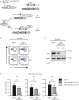
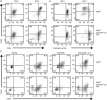
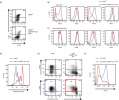
Choi, Pease, Chen et al
Immunology (2018) 154 (2), 309-321 DOI: 10.1111/imm.12886
AI Summary: OriGene’s anti-Pak2 antibody was used in this study to detect and analyze Pak2 protein levels by immunoblotting, helping to demonstrate Pak2’s essential role in maintaining peripheral Foxp3+ regulatory T cells.
Snippet: …The membranes were incubated with primary antibodies against Pak2 (Origene, Rockville, MD), phospho‐p70S6K (Thr389, Cell Signaling, Danvers, MA), phospho‐S6 (Ser235/236, Cell Signaling), phospho‐extracellular signal‐regulated kinase (ERK) (Thr202/Tyr204, Cell Signaling), phospho‐phospholipase C‐γ (PLC‐γ) (Tyr783, Invitrogen), PLCγ (Cell Signaling), phospho‐guanine nucleotide exchange factor‐H1 (GEF‐H1) (Ser885, Abcam, Cambridge, UK), phospho‐LIM domain kinase 1/2 (LIMK1/2) (Thr508/Thr505, Cell Signaling), phospho‐myosin light chain 2 (MLC2) (Thr18/Ser19, Cell Signaling), phospho‐cofilin (Ser3, Abcam), cofilin (Cell Signaling) and GAPDH (Millipore). …
Pak2 is required for actin cytoskeleton remodeling, TCR signaling, and normal thymocyte development and maturation
Phee, Au-Yeung, Pryshchep et al
Elife (2014) 3, e02270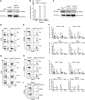
Phee, Au-Yeung, Pryshchep et al
Elife (2014) 3, e02270
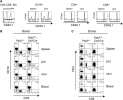
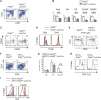
AI Summary: OriGene’s Pak2 (TA306346) antibody was used in this study to investigate the role of Pak2 in actin cytoskeleton remodeling, TCR signaling, and thymocyte development and maturation.
Snippet: …Phospho-PLCγ1 (Y783)(44-696G) antibody was purchased from Life Technologies (Grand Island, NY). Pak2 (TA306346) antibody is from Origene (Rockville, MD). …
Showing 1-2 of 2 papers.
Powered by BizGenius
*Delivery time may vary from web posted schedule. Occasional delays may occur due to unforeseen
complexities in the preparation of your product. International customers may expect an additional 1-2 weeks
in shipping.
Related Products
- Price:
- Actual Price:
Welcome to OriGene AI!
I'm your AI-powered guide to everything OriGene.
Ask me anything:
- Product specs
- Ordering help
- Technical questions
- How to find exactly what your experiment needs
Prefer a live agent? Connect with us by clicking the green chat icon, as seen in the image below or email our team at custsupport@origene.com.
