
TIM 1 (HAVCR1) Rabbit Polyclonal Antibody

Specifications
| Product Data | |
| Application | IF, IHC, WB |
|---|---|
| Recommended Dilution | WB: 1 - 2 ug/mL, ICC: 10 ug/mL, IF: 20 ug/mL |
| Reactivity | Human, Mouse |
| Antibody Host | Rabbit |
| Isotype | IgG |
| Clonality | Polyclonal |
| Immunogen | TIM-1 antibody was raised against a 16 amino acid peptide from near the amino terminus of human TIM-1. |
| Buffer | PBS containing 0.02% sodium azide. |
| Purification | Affinity chromatography purified via peptide column |
| Conjugation | Unconjugated |
| Storage | Antibody can be stored at 4°C up to one year. Antibodies should not be exposed to prolonged high temperatures. |
| Stability | Stable for 12 months from date of receipt. |
| Shipping | Blue Ice |
| Gene Name | hepatitis A virus cellular receptor 1 |
| Database Link | |
| Background | The human form of TIM-1 was initially discovered as a membrane glycoprotein through which the hepatitis A virus can gain entry into a cell. It was also identified as kidney injury molecule 1 (Kim-1), a predicted adhesion molecule that is upregulated on the surfaces of kidney epithelia. It is also expressed on T helper 2 (Th2) cells of the immune system, and following the binding of its natural ligand TIM-4, stimulates T cell expansion and cytokine production in response to viral challenge. It has been suggested that hyperactivation of TIM-1 leads to an increased level of Th2 responsiveness and asthma susceptibility, and antibodies to TIM-1 may therefore be a novel approach to treating asthma. |
| Synonyms | HAVCR; HAVCR-1; KIM-1; KIM1; TIM; TIM-1; TIM1; TIMD-1; TIMD1 |
| Reference Data | |
| Protein Categories | CD Markers, Membrane Proteins |
Reviews


Documents
| Product Manuals |
| FAQs |
| SDS |
Citations
miR29b regulates aberrant methylation in In-Vitro diabetic nephropathy model of renal proximal tubular cells
Gondaliya, Dasare, Srivastava et al
PLoS ONE (2018) 13 (11), e0208044 DOI: 10.1371/journal.pone.0208044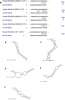
Gondaliya, Dasare, Srivastava et al
PLoS ONE (2018) 13 (11), e0208044 DOI: 10.1371/journal.pone.0208044
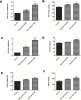
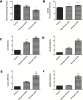
AI Summary: In this study, the OriGene KIM-1 antibody was used to detect levels of the kidney injury biomarker KIM-1 by Western blot, helping to assess kidney damage in the in vitro diabetic nephropathy model.
Snippet: e by using RTA Trans Turbo kit (BioRad). Detection of specific proteins were done by using primary antibody against (DNMT3A 1:2000, Abcam), (DNMT3B 1:250, Sigma), (DNMT1 1:1000, abcam), (KIM-1 1:500, origene), (fibronectin, 1:250 Abcam) and (β-actin 1:5000, Santacruz) at 4˚C overnight. After incubation of primary antibody, membrane was washed with 0.1% TBST and then membrane was incubated with s;R...
Showing 1-1 of 1 papers.
Powered by BizGenius
*Delivery time may vary from web posted schedule. Occasional delays may occur due to unforeseen
complexities in the preparation of your product. International customers may expect an additional 1-2 weeks
in shipping.
Related Products
- Price:
- Actual Price:
Welcome to OriGene AI!
I'm your AI-powered guide to everything OriGene.
Ask me anything:
- Product specs
- Ordering help
- Technical questions
- How to find exactly what your experiment needs
Prefer a live agent? Connect with us by clicking the green chat icon, as seen in the image below or email our team at custsupport@origene.com.
