
CD163 Mouse Monoclonal Antibody [Clone ID: OTI2G12]

SKU
CF506380
Carrier-free (BSA/glycerol-free) CD163 mouse monoclonal antibody, clone OTI2G12 (formerly 2G12)

$620.00
3 Days*
Specifications
| Product Data | |
| Clone Name | OTI2G12 |
|---|---|
| Application | IF, IHC, WB |
| Recommended Dilution | WB 1:1000, IF 1:100 |
| Reactivity | Human |
| Antibody Host | Mouse |
| Isotype | IgG1 |
| Clonality | Monoclonal |
| Immunogen | Full length human recombinant protein of human CD163(NP_004235) produced in HEK293T cell. |
| Buffer | Lyophilized powder (original buffer 1X PBS, pH 7.3, 8% trehalose) |
| Reconstitution Method | For reconstitution, we recommend adding 100uL distilled water to a final antibody concentration of about 1 mg/mL. To use this carrier-free antibody for conjugation experiment, we strongly recommend performing another round of desalting process. (OriGene recommends Zeba Spin Desalting Columns, 7KMWCO from Thermo Scientific) |
| Purification | Purified from mouse ascites fluids or tissue culture supernatant by affinity chromatography (protein A/G) |
| Conjugation | Unconjugated |
| Storage | Store at -20°C as received |
| Stability | Stable for 12 months from date of receipt. |
| Shipping | Ambient |
| Predicted Protein Size | 125.3 kDa |
| Gene Name | CD163 molecule |
| Database Link | |
| Background | The protein encoded by this gene is a member of the scavenger receptor cysteine-rich (SRCR) superfamily, and is exclusively expressed in monocytes and macrophages. It functions as an acute phase-regulated receptor involved in the clearance and endocytosis of hemoglobin/haptoglobin complexes by macrophages, and may thereby protect tissues from free hemoglobin-mediated oxidative damage. This protein may also function as an innate immune sensor for bacteria and inducer of local inflammation. Alternatively spliced transcript variants encoding different isoforms have been described for this gene. provided by RefSeq, Aug 2011 |
| Synonyms | M130; MM130; SCARI1 |
| Reference Data | |
| Protein Categories | ADC Targets, CD Markers, Intracellular Proteins, Membrane Proteins, Secreated Proteins |
| Protein Families | Druggable Genome, Secreted Protein, Transmembrane |
Reviews


Documents
| Product Manuals |
| FAQs |
| SDS |
Resources
Other "OTI2G12" antibodies (4)
| SKU | Description | Size | Price | |
|---|---|---|---|---|
| TA506380 | CD163 mouse monoclonal antibody, clone OTI2G12 (formerly 2G12) | 100 ul |
$447.00
|
|
| TA506380AM | CD163 mouse monoclonal antibody,clone 2G12, Biotinylated | 100 ul |
$509.00
|
|
| TA506380BM | CD163 mouse monoclonal antibody,clone 2G12, HRP conjugated | 100 ul |
$509.00
|
|
| TA506380S | CD163 mouse monoclonal antibody, clone OTI2G12 (formerly 2G12) | 30 ul |
$200.00
|
|
Citations
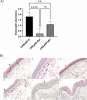
Characterization of PAPP-A Patterns in Chronic Rhinosinusitis
Ennahal, Wendler, Pesold et al
J Inflamm Res (2026) 19, 587722 DOI: 10.2147/JIR.S587722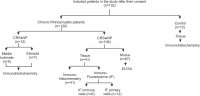
Ennahal, Wendler, Pesold et al
J Inflamm Res (2026) 19, 587722 DOI: 10.2147/JIR.S587722
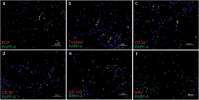
AI Summary: In this study, OriGene products Anti-CD3e antibody (Cat.TA506064S) and Anti-CD163 antibody (Cat.TA506380S) were used for immunofluorescence to identify T-cells and macrophages, respectively, contributing to the cellular localization of PAPP-A in chronic rhinosinusitis tissue.
Snippet: cence. The following diluted primary antibodies in 0.1% BSA in TBS were incubated over night at 4 °C: mouse-Anti-tryptase (Cat.08506;DAKO-Agilent, Santa-Clara, USA);mouse Anti-CD3e (Cat.TA506064S;OriGene Technologies, Rockville, USA);mouse Anti-ECP (Cat.MA5-43604;ThermoFischer Scientific, Bonn, Germany);mouse Anti-CD163 (Cat.TA506380S;mouse Anti-CD20
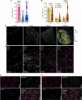
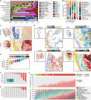
Spatial Single-Cell Atlas Reveals KSHV-Driven Broad Cellular Reprogramming, Progenitor Expansion, Immune and Vascular Remodeling in Kaposi's Sarcoma
Meng, Das, Sinha et al
bioRxiv (2025)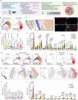
Meng, Das, Sinha et al
bioRxiv (2025)
Cited by 5
AI Summary: OriGene’s CD163 antibody (TA506380) was used in this study to identify and characterize macrophages within Kaposi’s sarcoma tissue, contributing to the spatial single-cell atlas and analysis of tumor-associated immune cell populations.
Snippet: trogen), p-STAT3 (S705) (1:20, 710093;Invitrogen), LYVE1 (1:200, ab33682, Abcam), CD68 (1:200, 14-0688-82;Invitrogen), CD163 (1:200, TA506380;Origene), VEGFR3 (1:100, PA5-16871;Invitrogen), VIM (1:500, sc-6260;Santa Cruz), VIM (1:2000, 80232-1-RR;Proteintech), CD34 (1:200, MA1-10202;Invitrogen), KDR/VEGFR2 (1:200,
SPTSSA facilitates gastric cancer progression with modulating PD-L1 in immunomicroenvironment through Wnt/β-catenin pathway
Sun, Qin, Xu et al
Cell Oncol (Dordr) (2025) 48 (4), 1127-1144 DOI: 10.1007/s13402-025-01072-7
Sun, Qin, Xu et al
Cell Oncol (Dordr) (2025) 48 (4), 1127-1144 DOI: 10.1007/s13402-025-01072-7
Cited by 2
Airway smooth muscle thickness and contraction are enhanced by intra-amniotic lipopolysaccharide in an ovine model of premature birth
Savigni, Chang, Sorensen et al
J Appl Physiol (1985) (2022) 133 (4), 959-969 DOI: 10.1152/japplphysiol.00097.2022
Savigni, Chang, Sorensen et al
J Appl Physiol (1985) (2022) 133 (4), 959-969 DOI: 10.1152/japplphysiol.00097.2022
Cited by 5
Snippet: Abnormalities of the airway smooth muscle (ASM) layer in asthma may develop before birth. We hypothesize that antenatal inflammation causes physiological
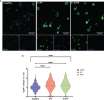
Collagen 1a1 Expression by Airway Macrophages Increases In Fibrotic ILDs and Is Associated With FVC Decline and Increased Mortality
Tsitoura, Trachalaki, Vasarmidi et al
Front Immunol (2021) 12, 645548 DOI: 10.3389/fimmu.2021.645548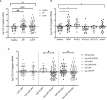
Tsitoura, Trachalaki, Vasarmidi et al
Front Immunol (2021) 12, 645548 DOI: 10.3389/fimmu.2021.645548
Cited by 44
AI Summary: OriGene products, specifically the COL1A1 (NM_000088) qPCR primer pair (HP208073) and the SPP1 (NM_000582) qPCR primer pair (HP208089), were used in this study to quantitatively measure gene expression levels of COL1A1 and SPP1 in airway macrophages, enabling the authors to link increased collagen and osteopontin expression to disease progression and mortality in fibrotic ILDs.
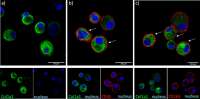
Precisely defined fiber scaffolds with 40 µm porosity induce elongation driven M2-like polarization of human macrophages
Tylek, Blum, Hrynevich et al
Biofabrication (2019)
Tylek, Blum, Hrynevich et al
Biofabrication (2019)
Cited by 165
AI Summary: OriGene's anti-CD163 antibody (#TA506380) was used in this study to identify and analyze macrophage polarization on fiber scaffolds.
Snippet: antibodies against CD163 (#TA506380, OriGene, Rockville, USA;1:100) and CD206 (#ab64693, Abcam, Cambridge, UK;1:400) were applied for 2 h at RT in a humidified chamber. Subsequently, fluorescence-labeled secondary antibodies (Cy TM2-conjugated AffiniPure Goat Anti-Rabbit or CyTM3-conjugated AffiniPure Goat Anti-Mouse (Jackson ImmunoResearch;Dianova, Hamburg, Germany) were applied for 30 min at RT. …
Showing 1-6 of 8 papers.
Powered by BizGenius
*Delivery time may vary from web posted schedule. Occasional delays may occur due to unforeseen
complexities in the preparation of your product. International customers may expect an additional 1-2 weeks
in shipping.
Related Products
- Price:
- Actual Price:
Welcome to OriGene AI!
I'm your AI-powered guide to everything OriGene.
Ask me anything:
- Product specs
- Ordering help
- Technical questions
- How to find exactly what your experiment needs
Prefer a live agent? Connect with us by clicking the green chat icon, as seen in the image below or email our team at custsupport@origene.com.
