
VEGFA Mouse Monoclonal Antibody [Clone ID: OTI4E3]

SKU
CF500289
Carrier-free (BSA/glycerol-free) VEGF mouse monoclonal antibody, clone OTI4E3 (formerly 4E3)

$620.00
3 Days*
Specifications
| Product Data | |
| Clone Name | OTI4E3 |
|---|---|
| Application | IF, IHC, WB |
| Recommended Dilution | WB: 1:200 - 1:1000, IHC 1:50, IF 1:100 |
| Reactivity | Human, Mouse, Rat |
| Antibody Host | Mouse |
| Isotype | IgG1 |
| Clonality | Monoclonal |
| Immunogen | Human recombinant protein fragment corresponding to amino acids 27-233 of human VEGFA (NP_003367) produced in E.coli. |
| Buffer | Lyophilized powder (original buffer 1X PBS, pH 7.3, 8% trehalose) |
| Reconstitution Method | For reconstitution, we recommend adding 100uL distilled water to a final antibody concentration of about 1 mg/mL. To use this carrier-free antibody for conjugation experiment, we strongly recommend performing another round of desalting process. (OriGene recommends Zeba Spin Desalting Columns, 7KMWCO from Thermo Scientific) |
| Purification | Purified from mouse ascites fluids or tissue culture supernatant by affinity chromatography (protein A/G) |
| Conjugation | Unconjugated |
| Storage | Store at -20°C as received. |
| Stability | Stable for 12 months from date of receipt. |
| Shipping | Ambient |
| Predicted Protein Size | 23.8 kDa |
| Gene Name | vascular endothelial growth factor A |
| Database Link | |
| Background | VEGF is a member of the PDGF/VEGF growth factor family that is often found as a disulfide linked homodimer. It is a glycosylated mitogen that specifically acts on endothelial cells and has various effects, including mediating increased vascular permeability, inducing angiogenesis, vasculogenesis and endothelial cell growth, promoting cell migration, and inhibiting apoptosis. Elevated levels of this protein is linked to POEMS syndrome, also known as Crow-Fukase syndrome. Mutations in VEGF gene have been associated with proliferative and nonproliferative diabetic retinopathy. |
| Synonyms | MVCD1; VEGF; VPF |
| Note | WB application: Only overexpression results are guaranteed, not endogenous. |
| Reference Data | |
| Protein Categories | Cytokines, Endocrine and metabolic diseases, Growth Factors, Intracellular Proteins, Membrane Proteins, Nervous system Diseases, Secreated Proteins |
| Protein Families | Druggable Genome, Secreted Protein |
| Protein Pathways | Bladder cancer, Cytokine-cytokine receptor interaction, Focal adhesion, mTOR signaling pathway, Pancreatic cancer, Pathways in cancer, Renal cell carcinoma, VEGF signaling pathway |
Reviews


Documents
| Product Manuals |
| FAQs |
| SDS |
Resources
Other "OTI4E3" antibodies (4)
| SKU | Description | Size | Price | |
|---|---|---|---|---|
| TA500289 | VEGFA (VEGF) mouse monoclonal antibody, clone OTI4E3 (formerly 4E3) | 100 ul |
$447.00
|
|
| TA500289AM | VEGFA (VEGF) mouse monoclonal antibody, clone OTI4E3 (formerly 4E3), Biotinylated | 100 ul |
$509.00
|
|
| TA500289BM | VEGFA (VEGF) mouse monoclonal antibody, clone OTI4E3 (formerly 4E3), HRP conjugated | 100 ul |
$509.00
|
|
| TA500289S | VEGFA (VEGF) mouse monoclonal antibody, clone OTI4E3 (formerly 4E3) | 30 ul |
$200.00
|
|
Citations
Syndecan-1 as a predictor of vulnerable atherosclerotic plaques
Qiu, Ouyang, Zhong et al
Front Cell Dev Biol (2024) 12, 1415788 DOI: 10.3389/fcell.2024.1415788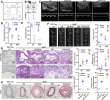
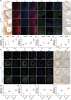
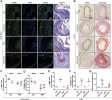
Qiu, Ouyang, Zhong et al
Front Cell Dev Biol (2024) 12, 1415788 DOI: 10.3389/fcell.2024.1415788
Cited by 9
AI Summary: OriGene's mouse anti-human VEGF antibody (TA500289) was used in immunohistochemistry to detect VEGF expression in atherosclerotic plaques, helping to assess plaque vulnerability in the study.
Snippet: % goat serum. After blocking, sections were incubated with a rabbit anti-human CD68 (1:100, bs-4819R, BIOSS, China), α-SMA (1:100, A1011, Abclonal, China) and mouse anti-human VEGF (1:100, TA500289, Origene, United States of America) antibodies overnight at 4°C. For lipid droplet and SDC1 detection, the cardiac tissue was immediately excised, flattened within an embedding cassette, and rapidly i
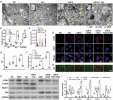
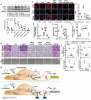
Anti-angiogenesis triggers exosomes release from endothelial cells to promote tumor vasculogenesis
Zeng, Yao, Liu et al
J Extracell Vesicles (2019) 8 (1), 1629865 DOI: 10.1080/20013078.2019.1629865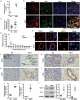
Zeng, Yao, Liu et al
J Extracell Vesicles (2019) 8 (1), 1629865 DOI: 10.1080/20013078.2019.1629865
AI Summary: In this study, OriGene's miR-9 mimic (Cat# miR10000749) was used to transfect human umbilical vein endothelial cells (HUVECs), enabling the researchers to model tumor-associated endothelial cells and investigate the effects of anti-angiogenic therapies on tumor vasculogenesis and exosome release.
Snippet: er-related death worldwide [8]. However, how the AATs result in tumor vasculogenesis remains a mystery [9]. MicroRNAs (miRNAs) have recently been shown to regulate gene expression associated with tumorigenesis and angiogenesis [10,11]. Oncogenic miR-9 is significantly elevated in HCC tissues and tumor-associated endothelial cells (ECs). High-level expression of miR-9 is closely related to the poo
A Somatic HIF2α Mutation-Induced Multiple and Recurrent Pheochromocytoma/Paraganglioma with Polycythemia: Clinical Study with Literature Review
Liu, Wang, Tong et al
Endocr. Pathol. (2017)
Liu, Wang, Tong et al
Endocr. Pathol. (2017)
AI Summary: In this study, OriGene products—including VEGF antibody and First-Strand cDNA Synthesis kit—were used for immunohistochemistry and reverse transcription to analyze gene expression and protein levels related to the HIF2α mutation in pheochromocytoma/paraganglioma with polycythemia.
Snippet: Endocr Pathol Page 3. monoclonal antibodies against HIF-1α (Abcam, USA), HIF- 2α, VEGF (OriGene, MD, USA), and EPO (Santa Cruz, USA) were used. ... Reverse transcription was performed using the First- Strand cDNA Synthesis (OriGene, Rockville, MD, USA). ... Cite SaveSaving
The nitrobenzoxadiazole derivative MC3181 blocks melanoma invasion and metastasis
De Luca, Carpanese, Rapanotti et al
Oncotarget (2017)
De Luca, Carpanese, Rapanotti et al
Oncotarget (2017)
Snippet: Invitrogen, Camarillo, CA), anti-ERK1&2 (Santa Cruz Biotechnology, Santa Cruz, CA), anti-phospho-p38 (Thr180/Thr182;Cell Signaling), anti-p38 (Cell Signaling), anti-AP2 (OriGene, Rockville, MD, USA), anti-CD146 (OriGene), antiVEGF (OriGene),
MET Suppresses Epithelial VEGFR2 via Intracrine VEGF-induced Endoplasmic Reticulum-associated Degradation
Chen, Filvaroff, Peng et al
EBioMedicine (2015)
Chen, Filvaroff, Peng et al
EBioMedicine (2015)
AI Summary: OriGene's Cytomix product was used as a source of tissue samples in this study investigating how MET suppresses epithelial VEGFR2 via intracrine VEGF-induced endoplasmic reticulum-associated degradation.
Snippet: obtained from multiple sources (Advanced Bioscience Laboratories, Kensington, MD;University of Michigan, Ann Arbor, MI;Cureline, South San Francisco, CA;Cooperative Human Tissue Network, Nashville, TN;ProteoGenex, Culver City, CA;Cytomix (Origene), Rockville ... Cite SaveSaving
Showing 1-5 of 5 papers.
Powered by BizGenius
*Delivery time may vary from web posted schedule. Occasional delays may occur due to unforeseen
complexities in the preparation of your product. International customers may expect an additional 1-2 weeks
in shipping.
Related Products
- Price:
- Actual Price:
Welcome to OriGene AI!
I'm your AI-powered guide to everything OriGene.
Ask me anything:
- Product specs
- Ordering help
- Technical questions
- How to find exactly what your experiment needs
Prefer a live agent? Connect with us by clicking the green chat icon, as seen in the image below or email our team at custsupport@origene.com.
