
GAS1 (N-term) Rabbit Polyclonal Antibody

Specifications
| Product Data | |
| Application | FC, IF, IHC, WB |
|---|---|
| Recommended Dilution | WB:1/1000, IHC-P:1/50-200, IF:1/10-50, FC:1/10-50 |
| Reactivity | Human, Mouse |
| Antibody Host | Rabbit |
| Isotype | IgG |
| Clonality | Polyclonal |
| Immunogen | KLH conjugated synthetic peptide between 102-136 amino acids from the N-terminal region of human GAS1 |
| Specificity | This GAS1 antibody is generated from rabbits immunized with a KLH conjugated synthetic peptide between 95-127 amino acids from the N-terminal region of human GAS1. |
| Buffer | PBS containing 0.09% (W/V) Sodium Azide as preservative State: Purified State: Liquid purified Ig fraction |
| Concentration | lot specific |
| Purification | Purified polyclonal antibody supplied in PBS with 0.09% (W/V) sodium azide. This antibody is prepared by Saturated Ammonium Sulfate (SAS) precipitation followed by dialysis against PBS. |
| Conjugation | Unconjugated |
| Storage | Store undiluted at 2-8°C for one month or (in aliquots) at -20°C for longer. |
| Stability | Shelf life: one year from despatch. |
| Shipping | Blue Ice |
| Predicted Protein Size | 35.7 kDa |
| Gene Name | growth arrest specific 1 |
| Database Link | |
| Background | Growth arrest-specific 1 plays a role in growth suppression. GAS1 blocks entry to S phase and prevents cycling of normal and transformed cells. Gas1 is a putative tumor suppressor gene. |
| Synonyms | Growth arrest-specific protein 1, GAS-1 |
| Note | Molecular Weight: 35693 Da |
| Reference Data | |
| Protein Pathways | Hedgehog signaling pathway |
Reviews


Documents
| Product Manuals |
| FAQs |
| SDS |
Citations
Melanoblast transcriptome analysis reveals pathways promoting melanoma metastasis
Marie, Sassano, Yang et al
Nat Commun (2020) 11 (1), 333 DOI: 10.1038/s41467-019-14085-2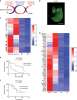
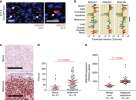
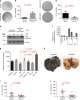
Marie, Sassano, Yang et al
Nat Commun (2020) 11 (1), 333 DOI: 10.1038/s41467-019-14085-2
Cited by 98
AI Summary: OriGene’s Myc-DDK-tagged KDELR3 transcript variant 1 construct (RC201571) was used to generate shRNA-resistant KDELR3 for functional studies, enabling the investigation of KDELR3’s role in melanoma metastasis in this study.
Snippet: Directed Mutagenesis Kit (Agilent Technologies). The KDELR3 shRNA recognition sequence was edited (t210c_c213a_t216c_t219c_a222c) from Myc-DDK-tagged KDELR3 transcript variant 1 construct (RC201571, OriGene). TOPO cloning was used to clone place this sequence into the Gateway cloning system and the pENTR L1/L2 plasmid was combined with C413-E19 pPol2 L4/R1 and pDEST-658 R4/R2 destination plasmids
Showing 1-1 of 1 papers.
Powered by BizGenius
*Delivery time may vary from web posted schedule. Occasional delays may occur due to unforeseen
complexities in the preparation of your product. International customers may expect an additional 1-2 weeks
in shipping.
Related Products
- Price:
- Actual Price:
Welcome to OriGene AI!
I'm your AI-powered guide to everything OriGene.
Ask me anything:
- Product specs
- Ordering help
- Technical questions
- How to find exactly what your experiment needs
Prefer a live agent? Connect with us by clicking the green chat icon, as seen in the image below or email our team at custsupport@origene.com.
