
GFAP Rabbit Polyclonal Antibody

Specifications
| Product Data | |
| Application | IF, IHC |
|---|---|
| Recommended Dilution | Immunohistochemistry. Immunocytochemistry. Suitable for Frozen or Formalin-Fixed Paraffin-Embedded (FFPE) tissue sections and cell smears: 1/50-1/200 using streptavidin~biotin system or polymer system. Recommended Positive Control:Human brain or astrocytoma. |
| Reactivity | Bovine, Guinea Pig, Human, Mouse, Porcine, Rat |
| Antibody Host | Rabbit |
| Isotype | IgG |
| Clonality | Polyclonal |
| Immunogen | Purified Human GFAP. |
| Specificity | This antibody stains astrocytes, glial cells, ependymal cells and their corresponding tumors. In the peripheral nervous system , it stains Schwann cells, satellite and enteric glial cells. This antibody distinguishes neoplasm of astrocytes origin from other neoplasm of CNS. Cellular Localization: Cytoplasmic. |
| Buffer | PBS, pH 7.4 State: Purified State: Liquid purified Ig fraction Stabilizer: 1% BSA Preservative: 0.05% Sodium Azide |
| Concentration | lot specific |
| Purification | Protein A Chromatography |
| Conjugation | Unconjugated |
| Storage | Store undiluted at 2-8°C for one month or (in aliquots) at -20°C for longer. Avoid repeated freezing and thawing. |
| Stability | Shelf life: One year from despatch. |
| Shipping | Blue Ice |
| Predicted Protein Size | 51 kDa (Antigen) |
| Gene Name | glial fibrillary acidic protein |
| Database Link | |
| Background | Gilial Fibrillary acidic protein (GFAP), a 51 kDa an intermediate filament protein is closely related to non-epithelial family members, Vimentin, desmin and peripherin, which are all involved in structure and function of cell cytoskeleton. GFAP is expressed in central nervous system (CNS) in the astrocytes cells, functioning in cellular processes e.g. cell structure, movements, cell communication, brain processes and brain functions. |
| Synonyms | Glial Fibrillary Acidic Protein |
| Reference Data | |
| Protein Categories | Intracellular Proteins, Nervous system: Neurodegenerative diseases |
| Protein Families | ES Cell Differentiation/IPS |
Reviews


Documents
| Product Manuals |
| FAQs |
| SDS |
Citations
Ketolytic and glycolytic enzymatic expression profiles in malignant gliomas: implication for ketogenic diet therapy
Chang, Olson, Schwartz
Nutr Metab (Lond) (2013) 10 (1), 47 DOI: 10.1186/1743-7075-10-47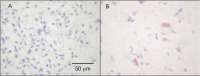
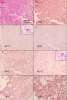
Chang, Olson, Schwartz
Nutr Metab (Lond) (2013) 10 (1), 47 DOI: 10.1186/1743-7075-10-47
Cited by 105
AI Summary: OriGene’s BDH2 antibody (clone 2G1, TA501293) was used in this study to assess the expression of the ketolytic enzyme BDH2 in malignant glioma tissues via immunohistochemistry, contributing to the evaluation of metabolic enzyme profiles relevant to potential ketogenic diet therapy.
Snippet: cytosolic beta- hydroxybutyrate dehydrogenase (BDH2, clone 2G1, OriGene TA501293, Rockville, MD), and rabbit poly- clonal antibody to acetyl-CoA acetyltransferase (ACAT1, Sigma HPA007569). Immunohistochemistry reactions
Showing 1-1 of 1 papers.
Powered by BizGenius
*Delivery time may vary from web posted schedule. Occasional delays may occur due to unforeseen
complexities in the preparation of your product. International customers may expect an additional 1-2 weeks
in shipping.
Related Products
- Price:
- Actual Price:
Welcome to OriGene AI!
I'm your AI-powered guide to everything OriGene.
Ask me anything:
- Product specs
- Ordering help
- Technical questions
- How to find exactly what your experiment needs
Prefer a live agent? Connect with us by clicking the green chat icon, as seen in the image below or email our team at custsupport@origene.com.
