
Horseradish Peroxidase / HRP Mouse Polyclonal Antibody

$795.00
3 Days*
Specifications
| Product Data | |
| Application | ELISA, IHC, WB |
|---|---|
| Recommended Dilution | WB: 1:500 - 1:2,000 IHC: User Optimized ELISA: 1:5,000 - 1:20,000 |
| Reactivity | Peroxidase |
| Antibody Host | Mouse |
| Clonality | Polyclonal |
| Immunogen | Peroxidase Horseradish |
| Specificity | Anti-Peroxidase antibody was prepared from monospecific antiserum by a delipidation and defibrination. Assay by immunoelectrophoresis resulted in a single precipitin arc against anti-mouse serum, purified and partially purified Peroxidase Horseradish. Cross reactivity against Peroxidase from other tissues and species may occur but have not been specifically determined. |
| Buffer | 0.02 M Potassium Phosphate, 0.15 M Sodium Chloride, pH 7.2 Stabilizer: None Preservative: 0.01% (w/v) Sodium Azide |
| Reconstitution Method | Restore with deionized water (or equivalent) - Reconstitution Volume: 2.0 mL |
| Concentration | 85 mg/mL - lot specific |
| Conjugation | Unconjugated |
| Storage | Store vial at 4° C prior to restoration. For extended storage aliquot contents and freeze at -20° C or below. Avoid cycles of freezing and thawing. Centrifuge product if not completely clear after standing at room temperature. This product is stable for several weeks at 4° C as an undiluted liquid. Dilute only prior to immediate use. |
| Stability | Expiration date is one (1) year from date of receipt. |
| Shipping | Ambient |
| Background | Peroxidase antibody detects lipid peroxides. Peroxidases are a large family of enzymes that typically catalyze a reaction of the form: ROOR' + electron donor (2 e-) + 2H+ → ROH + R'OH. For many of these enzymes the optimal substrate is hydrogen peroxide, but others are more active with organic hydroperoxides such as lipid peroxides. Peroxidases can contain a heme cofactor in their active sites, or alternately redox-active cysteine or selenocysteine residues. The nature of the electron donor is very dependent on the structure of the enzyme. For example, horseradish peroxidase can use a variety of organic compounds as electron donors and acceptors. Horseradish peroxidase has an accessible active site, and many compounds can reach the site of the reaction. Because there is a very closed active site, for an enzyme such as cytochrome c peroxidase, the compounds that donate electrons are very specific. While the exact mechanisms have yet to be elucidated, peroxidases are known to play a part in increasing a plant's defenses against pathogens.1 Peroxidases are sometimes used as histological marker. Cytochrome c peroxidase is used as a soluble, easily purified model for cytochrome c oxidase. Anti-Peroxidase antibody is ideal for investigators involved in enzyme research. |
| Synonyms | Mouse Anti-PEROXIDASE Antibody, Anti-PEROXIDASE Horseradish, mouse anti-HRP antibody, mouse anti Peroxidase, mouse anti HRP |
| Note | Suitable for immunoblotting (western or dot blot), ELISA, immunoprecipitation and most immunological methods requiring high titer and specificity. |
| Reference Data | |
Reviews


Documents
| Product Manuals |
| FAQs |
| SDS |
Citations
Inonotsuoxide B suppresses hepatic stellate cell activation and proliferation via the PI3K/AKT and ERK1/2 pathway
Jin, Yang, Hu et al
Exp Ther Med (2022) 23 (6), 417 DOI: 10.3892/etm.2022.11344
Jin, Yang, Hu et al
Exp Ther Med (2022) 23 (6), 417 DOI: 10.3892/etm.2022.11344
Cited by 9
AI Summary: OriGene products, specifically the human ACTA2 (α-SMA) and COL1A1 (type I collagen) qPCR primers, were used in this study to measure mRNA expression levels and evaluate the inhibitory effects of inonotsuoxide B on hepatic stellate cell activation and proliferation.
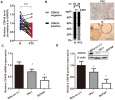
Cadherin-16 inhibits thyroid carcinoma cell proliferation and invasion
Yang, Li, Liu et al
Oncol Lett (2022) 23 (5), 145 DOI: 10.3892/ol.2022.13265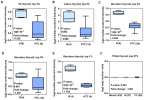
Yang, Li, Liu et al
Oncol Lett (2022) 23 (5), 145 DOI: 10.3892/ol.2022.13265
Cited by 5
AI Summary: OriGene's β-actin antibody (cat. no. TA-09) was used as a loading control in western blot experiments to normalize protein expression levels in the study investigating the role of Cadherin-16 in thyroid carcinoma cell proliferation and invasion.
Snippet: cellular adhesion molecule (ICAM)1 (1:2,000, cat. no. 60299-1-Ig, ProteinTech Group, Inc), syndecan (SDC)4 (1:1,000, cat. no. 11820-1-AP, ProteinTech Group, Inc) or β-actin (1:1,000, cat. no. TA-09;OriGene Technologies, Inc.). The membranes were washed with PBS three times and subsequently probed with anti-rabbit (cat. no. ZB-2301) or anti-mouse horseradish peroxidase-linked secondary antibody (
Kidney injury molecule-1 levels are associated with therapeutic outcomes and renal tubulointerstitial injury severity in idiopathic membranous nephropathy
Zhang, Xiang, Gong et al
Exp Ther Med (2021) 22 (6), 1434 DOI: 10.3892/etm.2021.10869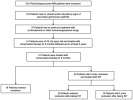
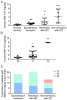
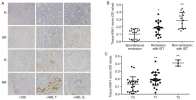
Zhang, Xiang, Gong et al
Exp Ther Med (2021) 22 (6), 1434 DOI: 10.3892/etm.2021.10869
Cited by 4
AI Summary: OriGene products, specifically the polymer helper (cat. no. D02-18) and horseradish peroxidase-labeled anti-mouse IgG polymer (cat. no. D02-18), were used in the immunohistochemistry procedures to detect renal KIM-1 expression in this study on idiopathic membranous nephropathy.
Snippet: with mouse anti-human monoclonal antibody against KIM-1 (cat. no. MAB1750;R&D Systems, Inc.;1:2,000) overnight at 4˚C. Sections were then washed and incubated with polymer helper (cat. no. D02-18;OriGene Technologies, Inc.) and horseradish peroxidase-labeled anti-mouse IgG polymer (cat. no. D02-18;OriGene Technologies, Inc;1:300) for 20 min at room temperature. The colorimetric reaction of p
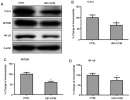
HSP60 participates in the anti-glioma effects of curcumin
Bi, Wang, Zheng et al
Exp Ther Med (2021) 21 (3), 204 DOI: 10.3892/etm.2021.9637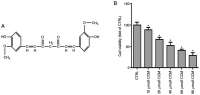
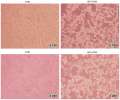
Bi, Wang, Zheng et al
Exp Ther Med (2021) 21 (3), 204 DOI: 10.3892/etm.2021.9637
Cited by 22
AI Summary: OriGene products, specifically the HSPD1 (HSP60) antibody (Cat# TA800886) and HSP60 siRNA (Cat# SR321508), were used in this study to detect and silence HSP60 expression, respectively, thereby helping to elucidate the role of HSP60 in the anti-glioma effects of curcumin.
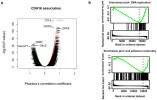
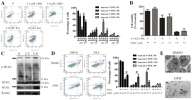
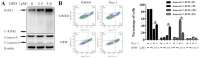
Ophiopogonin D' induces RIPK1‑dependent necroptosis in androgen‑dependent LNCaP prostate cancer cells
Lu, Wu, Zhu et al
Int. J. Oncol. (2020) 56 (2), 439-447 DOI: 10.3892/ijo.2019.4945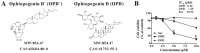
Lu, Wu, Zhu et al
Int. J. Oncol. (2020) 56 (2), 439-447 DOI: 10.3892/ijo.2019.4945
Cited by 42
AI Summary: OriGene’s anti-RIPK1 antibody (cat. no. ZB-2305) was used in this study to detect RIPK1 protein expression, helping to demonstrate that Ophiopogonin D' induces RIPK1-dependent necroptosis in androgen-dependent LNCaP prostate cancer cells.
Snippet: cat. no. ZB-2305) antibodies were obtained from OriGene Technologies, Inc. Sorafenib (positive control), Necrostatin-1 (Nec-1, a RIPK1 inhibitor) and Z-VAD-FMK (a caspase inhibitor) were purchased from Selleck Chemicals;;- cat. no. ZB-2305) antibodies were obtained from OriGene Technologies, Inc. Sorafenib (positive control), Necrostatin-1 (Nec-1, a RIPK1 inhibitor) and Z-VAD-FMK (a caspase inh...
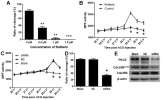
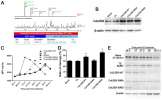
PKCδ promotes fertilization of mouse embryos in early development via the Cdc25B signaling pathway
Liu, Deng, Wu et al
Exp Ther Med (2019) 18 (5), 3281-3290 DOI: 10.3892/etm.2019.7959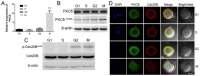
Liu, Deng, Wu et al
Exp Ther Med (2019) 18 (5), 3281-3290 DOI: 10.3892/etm.2019.7959
Cited by 4
AI Summary: In this study, OriGene’s PKCδ-specific small interfering RNAs (siRNAs) were used to knock down PKCδ expression in mouse embryos, enabling the authors to investigate the role of PKCδ in early embryonic development via the Cdc25B signaling pathway.
Showing 1-6 of 14 papers.
Powered by BizGenius
*Delivery time may vary from web posted schedule. Occasional delays may occur due to unforeseen
complexities in the preparation of your product. International customers may expect an additional 1-2 weeks
in shipping.
Related Products
- Price:
- Actual Price:
Welcome to OriGene AI!
I'm your AI-powered guide to everything OriGene.
Ask me anything:
- Product specs
- Ordering help
- Technical questions
- How to find exactly what your experiment needs
Prefer a live agent? Connect with us by clicking the green chat icon, as seen in the image below or email our team at custsupport@origene.com.
