
S100 beta (S100B) (NM_006272) Human Recombinant Protein
SKU
TP750189
Purified recombinant protein of Human S100 calcium binding protein B (S100B),full length, tag free, expressed in E.coli, 50ug

$380.00
In Stock*
Specifications
| Product Data | |
| Species | Human |
|---|---|
| Expression Host | E. coli |
| Expression cDNA Clone or AA Sequence | |
| Tag | Tag Free |
| Predicted MW | 10.7 kDa |
| Concentration | >0.05 µg/µL as determined by microplate BCA method |
| Purity | > 80% as determined by SDS-PAGE and Coomassie blue staining |
| Buffer | 25 mM Tris-HCl, pH 8.0, 150 mM NaCl, 10% glycerol |
| Note | For testing in cell culture applications, please filter before use. Note that you may experience some loss of protein during the filtration process. |
| Storage | Store at -80°C. |
| Stability | Stable for 12 months from the date of receipt of the product under proper storage and handling conditions. Avoid repeated freeze-thaw cycles. |
| Shipping | Dry Ice |
| Reference Data | |
| RefSeq | NP_006263 |
| Locus ID | 6285 |
| UniProt ID | P04271 |
| Cytogenetics | 21q22.3 |
| RefSeq Size | 1135 |
| RefSeq ORF | 276 |
| Synonyms | NEF; S100; S100-B; S100beta |
| Summary | The protein encoded by this gene is a member of the S100 family of proteins containing 2 EF-hand calcium-binding motifs. S100 proteins are localized in the cytoplasm and/or nucleus of a wide range of cells, and involved in the regulation of a number of cellular processes such as cell cycle progression and differentiation. S100 genes include at least 13 members which are located as a cluster on chromosome 1q21; however, this gene is located at 21q22.3. This protein may function in Neurite extension, proliferation of melanoma cells, stimulation of Ca2+ fluxes, inhibition of PKC-mediated phosphorylation, astrocytosis and axonal proliferation, and inhibition of microtubule assembly. Chromosomal rearrangements and altered expression of this gene have been implicated in several neurological, neoplastic, and other types of diseases, including Alzheimer's disease, Down's syndrome, epilepsy, amyotrophic lateral sclerosis, melanoma, and type I diabetes. provided by RefSeq, Jul 2008 |
| Protein Categories | Intracellular Proteins |
Reviews


Documents
| FAQs |
| SDS |
Resources
| Recombinant Protein Resources |
Other "S100 beta" proteins (4)
| SKU | Description | Size | Price | |
|---|---|---|---|---|
| PH300277 | S100B MS Standard C13 and N15-labeled recombinant protein (NP_006263) | 10 ug |
$3,360.00
|
|
| LC416735 | Lyophilized S100B HEK293T cell transient overexpression lysate (as WB positive control) | 20 ug |
$206.00
|
|
| LY416735 | Transient overexpression lysate of S100 calcium binding protein B (S100B) (as WB positive control) | 100 ug |
$436.00
|
|
| TP300277 | Recombinant protein of human S100 calcium binding protein B (S100B), 20 µg | 20 ug |
$737.00
|
|
Citations
Stromal expression of hemopexin is associated with lymph-node metastasis in pancreatic ductal adenocarcinoma
Suzuki, Takadate, Mizuma et al
PLoS ONE (2020) 15 (7), e0235904 DOI: 10.1371/journal.pone.0235904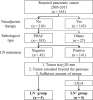
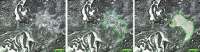
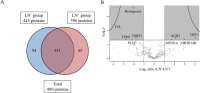
Suzuki, Takadate, Mizuma et al
PLoS ONE (2020) 15 (7), e0235904 DOI: 10.1371/journal.pone.0235904
Cited by 21
AI Summary: OriGene’s ABHD14B antibody (ABHD14B, OriGene Technologies GmbH) was used for immunohistochemical analysis to investigate protein expression in the tumor stroma of pancreatic ductal adenocarcinoma patients.
Snippet: Sections were incubated (overnight, 4°C) with primary antibodies against AGR3 (1:2000, Abnova Co., Taipei, Taiwan), DEF3 (1:200, Abnova Co.), MYH14 (1:300, Novus Biologicals, Littleton, CO, USA), ABHD14B (1:250, OriGene Technologies GmbH, Herford Cached
Adult neurogenesis and gliogenesis in the dorsal and ventral canine hippocampus
Bekiari, Grivas, Tsingotjidou et al
J. Comp. Neurol. (2019)
Bekiari, Grivas, Tsingotjidou et al
J. Comp. Neurol. (2019)
A multimodal RAGE-specific inhibitor reduces amyloid β-mediated brain disorder in a mouse model of Alzheimer disease
Deane, Singh, Sagare et al
J. Clin. Invest. (2012) 122 (4), 1377-92 DOI: 10.1172/JCI58642
Deane, Singh, Sagare et al
J. Clin. Invest. (2012) 122 (4), 1377-92 DOI: 10.1172/JCI58642
Cited by 41
AI Summary: In this study, OriGene's RAGE expression plasmid (Cat# RC210438) was used to generate RAGE-expressing cells for in vitro experiments assessing the inhibitory effects of FPS-ZM1 on amyloid β-induced cellular stress.
Snippet: RAGE contains an extracellular V domain that binds multiple ligands, including advanced glycation end products (AGE) proteins, S100/calgranulins, Aβ and amphoterin, 2 C-type immunoglobulin domains, and a short cytoplasmic domain that is required for RAGE-mediated
Showing 1-3 of 3 papers.
Powered by BizGenius
*Delivery time may vary from web posted schedule. Occasional delays may occur due to unforeseen
complexities in the preparation of your product. International customers may expect an additional 1-2 weeks
in shipping.
Related Products
- Price:
- Actual Price:
Welcome to OriGene AI!
I'm your AI-powered guide to everything OriGene.
Ask me anything:
- Product specs
- Ordering help
- Technical questions
- How to find exactly what your experiment needs
Prefer a live agent? Connect with us by clicking the green chat icon, as seen in the image below or email our team at custsupport@origene.com.
