
MTOR (NM_004958) Human Recombinant Protein

SKU
TP320457
Recombinant protein of human FK506 binding protein 12-rapamycin associated protein 1 (FRAP1/MTOR), 20 µg

$867.00
5 Days*
Specifications
| Product Data | |
| Species | Human |
|---|---|
| Expression Host | HEK293 |
| Expression cDNA Clone or AA Sequence | |
| Tag | C-Myc/DDK |
| Predicted MW | 288.7 kDa |
| Concentration | >0.1 µg/µL as determined by microplate BCA method |
| Purity | > 80% as determined by SDS-PAGE and Coomassie blue staining |
| Buffer | 25 mM Tris-HCl, 100 mM glycine, pH 7.3, 10% glycerol |
| Preparation | Recombinant protein was captured through anti-DDK affinity column followed by conventional chromatography steps. |
| Note | For testing in cell culture applications, please filter before use. Note that you may experience some loss of protein during the filtration process. |
| Storage | Store at -80°C. |
| Stability | Stable for 12 months from the date of receipt of the product under proper storage and handling conditions. Avoid repeated freeze-thaw cycles. |
| Shipping | Dry Ice |
| Reference Data | |
| RefSeq | NP_004949 |
| Locus ID | 2475 |
| UniProt ID | P42345 |
| Cytogenetics | 1p36.22 |
| RefSeq Size | 8680 |
| RefSeq ORF | 7647 |
| Synonyms | FRAP; FRAP1; FRAP2; RAFT1; RAPT1; SKS |
| Summary | The protein encoded by this gene belongs to a family of phosphatidylinositol kinase-related kinases. These kinases mediate cellular responses to stresses such as DNA damage and nutrient deprivation. This kinase is a component of two distinct complexes, mTORC1, which controls protein synthesis, cell growth and proliferation, and mTORC2, which is a regulator of the actin cytoskeleton, and promotes cell survival and cell cycle progression. This protein acts as the target for the cell-cycle arrest and immunosuppressive effects of the FKBP12-rapamycin complex. Inhibitors of mTOR are used in organ transplants as immunosuppressants, and are being evaluated for their therapeutic potential in SARS-CoV-2 infections. Mutations in this gene are associated with Smith-Kingsmore syndrome and somatic focal cortical dysplasia type II. The ANGPTL7 gene is located in an intron of this gene. provided by RefSeq, Aug 2020 |
| Protein Categories | Enzyme: Kinases, Growth Factors, Intracellular Proteins |
| Protein Families | Druggable Genome, Protein Kinase |
| Protein Pathways | Acute myeloid leukemia, Adipocytokine signaling pathway, ErbB signaling pathway, Glioma, Insulin signaling pathway, mTOR signaling pathway, Pathways in cancer, Prostate cancer, Type II diabetes mellitus |
Reviews


Documents
| FAQs |
| SDS |
Resources
| Recombinant Protein Resources |
Other "MTOR" proteins (3)
| SKU | Description | Size | Price | |
|---|---|---|---|---|
| PH320457 | MTOR MS Standard C13 and N15-labeled recombinant protein (NP_004949) | 10 ug |
$3,360.00
|
|
| LC417627 | Lyophilized MTOR HEK293T cell transient overexpression lysate (as WB positive control) | 20 ug |
$206.00
|
|
| LY417627 | Transient overexpression lysate of mechanistic target of rapamycin (serine/threonine kinase) (MTOR) (as WB positive control) | 100 ug |
$665.00
|
|
Citations
Hederagenin suppresses inflammation-cancer transformation in chronic atrophic gastritis by modulating glycolysis through the mTOR/HIF-1α axis
Liu, Chen, Li et al
Eur J Pharmacol (2026)
Liu, Chen, Li et al
Eur J Pharmacol (2026)
Cited by 2
AI Summary: OriGene’s mTOR protein (catalog number TP320457) was used to assess the binding interaction of JWXYG-derived compounds, enabling the identification of hederagenin as a potent mTOR binder in this study.
Snippet: The binding interaction between the active constituents of JWXYG and mTOR protein (OriGene, TP320457) were measured by the Biacore T200 system. An amino coupling assay kit was utilized to immobilize the mTOR protein (10 μg/mL, pH at 4.5) onto the CM5 sensor chip
mTORC1 controls Golgi architecture and vesicle secretion by phosphorylation of SCYL1
Kaeser-Pebernard, Vionnet, Mari et al
Nat Commun (2022) 13 (1), 4685 DOI: 10.1038/s41467-022-32487-7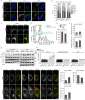
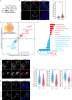
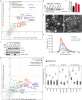
Kaeser-Pebernard, Vionnet, Mari et al
Nat Commun (2022) 13 (1), 4685 DOI: 10.1038/s41467-022-32487-7
Cited by 36
AI Summary: OriGene’s commercial mTOR protein (TP320457) was used in in vitro kinase assays to study mTORC1-mediated phosphorylation of SCYL1 in this paper.
Snippet: The in vitro kinase assay was performed as described in ref. 53 with the following modifications. The commercial mTOR (TP320457, ORIGENE), or the in house-purified MTORC1 complex on anti-FLAG M2 affinity gel, and the HA-SCYL1-coated beads were added onto a 10 kD MW-cutoff filter (Sartorius) in 100 µl of kinase buffer with 1 mM γ-[18O4]-ATP (Cambridge Iso
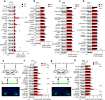
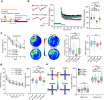
Tanc2-mediated mTOR inhibition balances mTORC1/2 signaling in the developing mouse brain and human neurons
Kim, Lee, Kim et al
Nat Commun (2021) 12 (1), 2695 DOI: 10.1038/s41467-021-22908-4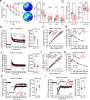
Kim, Lee, Kim et al
Nat Commun (2021) 12 (1), 2695 DOI: 10.1038/s41467-021-22908-4
Cited by 37
AI Summary: OriGene’s recombinant mTOR protein (catalog #TP320457) was used in in vitro binding assays to demonstrate direct interaction between Tanc2 and mTOR in this study.
Snippet: … In vitro direct binding test GST, GST-Tanc2-N, GST-Tanc2-C, or GST-Tanc2 (full-length) proteins immobilized to agarose beads were incubated with the mTOR recombinant protein (0.5 µg;Origene #TP320457), or Deptor protein, in RIPA buffer for 2 h at 4 °C. Protein complexes in the agarose beads were washed with RIPA buffer three times and subjected to SDS-PAGE for Coomassie blue;GST-Tanc2 (full-length) proteins immobilized to agarose beads were incubated with the mTOR recombinant protein (0.5 µg;Origene #TP320457),
Non-Thermal Plasma Induces Antileukemic Effect Through mTOR Ubiquitination
Kim, Kim, Kim et al
Cells (2020) 9 (3) DOI: 10.3390/cells9030595
Kim, Kim, Kim et al
Cells (2020) 9 (3) DOI: 10.3390/cells9030595
Cited by 24
AI Summary: In this study, OriGene’s recombinant full-length mTOR protein was used to investigate the binding interactions and ubiquitination mechanisms underlying the antileukemic effects of non-thermal plasma-treated solutions.
Snippet: After rinsing three times with phosphate-buffered saline (PBST) (with 0.1% Tween-20), Cy5-labeled (Expedeon) recombinant full-length mTOR (OriGene, 10 μg of protein diluted in 50 mM Tris-HCl, 10 mM reduced Glutathione, pH 8.0) was added and incubated under Cached
The Functional Proximal Proteome of Oncogenic Ras Includes mTORC2
Kovalski, Bhaduri, Zehnder et al
Mol. Cell (2019) 73 (4), 830-844.e12 DOI: 10.1016/j.molcel.2018.12.001
Kovalski, Bhaduri, Zehnder et al
Mol. Cell (2019) 73 (4), 830-844.e12 DOI: 10.1016/j.molcel.2018.12.001
AI Summary: In this study, OriGene’s recombinant proteins—including NRASQ61K (Cat# TP701004), NRAS (Cat# TP302681), MAPKAP1 (Cat# TP311745), mTOR (Cat# TP320457), KRASG12D (Cat# TP700052), HRASWT (Cat# TP316409), and custom-produced HRASG12V—were used to investigate and validate the interactions between oncogenic Ras proteins and mTORC2 components, elucidating key mechanisms in Ras-driven cancer proliferation.
Snippet: … They demonstrate that active Ras binds and stimulates mTORC2, representing a key dependency for Ras-driven proliferation genes and tumorigenesis. Cancer Ras Proteomics CRISPR mTOR MAPKAP1;... … They demonstrate that active Ras binds and stimulates mTORC2, representing a key dependency for Ras-driven proliferation genes and tumorigenesis. Cancer Ras Proteomics CRISPR mTOR MAPKAP1;NRASQ61K Human Recombinant Protein Origene Cat# TP701004 NRAS Human Recombinant Protein Origene Cat# TP302681 MAPKAP1 Human Recombinant Protein Origene Cat# TP311745 mTOR Human Recombinant Protein Origene Cat# TP320457 KRASG12D Human Recombinant Protein Origene Cat# TP700052 HRASWT Human Recombinant Protein Origene Cat# TP316409 HRASG12V Human Recombinant Protein Origene Custom Production from clone Cat# RC400129
mTOR kinase leads to PTEN-loss-induced cellular senescence by phosphorylating p53
Jung, Hwang, Kang et al
Oncogene (2018) 38 (10), 1639-1650 DOI: 10.1038/s41388-018-0521-8
Jung, Hwang, Kang et al
Oncogene (2018) 38 (10), 1639-1650 DOI: 10.1038/s41388-018-0521-8
AI Summary: In this study, OriGene products—specifically the PTEN shRNA (OriGene, Cat# TL313805) and p53 antibody (OriGene, Cat# TA500249)—were used to manipulate PTEN expression and detect p53 protein, respectively, enabling the authors to investigate the molecular mechanisms underlying PTEN-loss-induced cellular senescence.
Snippet: …In this study, we show that mTOR acts as a critical relay molecule downstream of PI3K/AKT and upstream of p53 in PICS. We found that PTEN depletion induces cellular senescence via p53-p21 signaling without triggering DNA damage response. mTOR kinase, a major component of mTORC1 and mTORC2, directly binds p53 and phosphorylates it at serine 15. mTORC1 and mTORC2 compete with MDM2 and increase the stability of p53 to induce cellular senescence via accumulation of the cell cycle inhibitor, p21. In embryonic fibroblasts of PTEN-knockout mice, PTEN deficiency also induces mTORC1 and mTORC2 to bind to p53 instead of MDM2, leading to cellular senescence. These results collectively demonstrate for the first time that mTOR plays a critical role in switching cells from proliferation signaling to senescence signaling via a direct link between the growth-promoting activity of AKT and the growth-suppressing activity of p53
Showing 1-6 of 9 papers.
Powered by BizGenius
*Delivery time may vary from web posted schedule. Occasional delays may occur due to unforeseen
complexities in the preparation of your product. International customers may expect an additional 1-2 weeks
in shipping.
Related Products
- Price:
- Actual Price:
Welcome to OriGene AI!
I'm your AI-powered guide to everything OriGene.
Ask me anything:
- Product specs
- Ordering help
- Technical questions
- How to find exactly what your experiment needs
Prefer a live agent? Connect with us by clicking the green chat icon, as seen in the image below or email our team at custsupport@origene.com.
