
PADI4 Mouse Monoclonal Antibody [Clone ID: OTI4H5]


$447.00
In Stock*
Specifications
| Product Data | |
| Clone Name | OTI4H5 |
|---|---|
| Application | FC, IF, IHC, WB |
| Recommended Dilution | WB 1:2000, IHC 1:150, IF 1:100, FLOW 1:100 |
| Reactivity | Human, Mouse, Rat |
| Antibody Host | Mouse |
| Isotype | IgG2a |
| Clonality | Monoclonal |
| Immunogen | Full length human recombinant protein of human PADI4(NP_036519) produced in HEK293T cell. |
| Buffer | PBS (pH 7.3) containing 1% BSA, 50% glycerol and 0.02% sodium azide |
| Concentration | 1 mg/ml |
| Purification | Purified from mouse ascites fluids or tissue culture supernatant by affinity chromatography (protein A/G) |
| Conjugation | Unconjugated |
| Storage | Store at -20°C as received. |
| Stability | Stable for 12 months from date of receipt. |
| Shipping | Blue Ice |
| Predicted Protein Size | 73.9 kDa |
| Gene Name | peptidyl arginine deiminase 4 |
| Database Link | |
| Background | This gene is a member of a gene family which encodes enzymes responsible for the conversion of arginine residues to citrulline residues. This gene may play a role in granulocyte and macrophage development leading to inflammation and immune response. provided by RefSeq |
| Synonyms | PAD; PAD4; PADI5; PDI4; PDI5 |
| Note | WB application: Only overexpression results are guaranteed, not endogenous |
| Reference Data | |
| Protein Categories | Intracellular Proteins |
Reviews


Documents
| Product Manuals |
| FAQs |
| SDS |
Resources
Other "OTI4H5" antibodies (6)
| SKU | Description | Size | Price | |
|---|---|---|---|---|
| CF504813 | Carrier-free (BSA/glycerol-free) PADI4 mouse monoclonal antibody, clone OTI4H5 (formerly 4H5) | 100 ug |
$620.00
|
|
| TA504813AM | PADI4 mouse monoclonal antibody, clone OTI4H5 (formerly 4H5), Biotinylated | 100 ul |
$509.00
|
|
| TA504813BM | PADI4 mouse monoclonal antibody, clone OTI4H5 (formerly 4H5), HRP conjugated | 100 ul |
$509.00
|
|
| TA504813S | PADI4 mouse monoclonal antibody, clone OTI4H5 (formerly 4H5) | 30 ul |
$200.00
|
|
| TA600440 | PADI4 mouse monoclonal capture antibody, validated for Luminex assays | 100 ug |
$458.00
|
|
| TA700441 | PADI4 biotinylated mouse monoclonal detection antibody, validated for Luminex assays | 50 ug |
$494.00
|
|
Citations
Integration of single-cell and bulk RNA sequencing reveals programmed cell death-associated transcriptional programs in sepsis-induced acute lung injury
Li, Liu, Zhang et al
PLoS One (2026) 21 (6), e0349288 DOI: 10.1371/journal.pone.0349288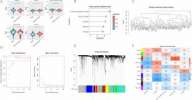
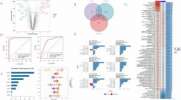
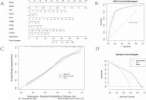
Li, Liu, Zhang et al
PLoS One (2026) 21 (6), e0349288 DOI: 10.1371/journal.pone.0349288
AI Summary: OriGene contributed to this study by providing the anti-PADI4 antibody (TA504813), which was used for Western blot validation of PADI4 protein expression in lung tissues from a rat model of sepsis-induced acute lung injury.
Snippet: p>Proteins were isolated from lung tissues, separated by SDS-PAGE, and transferred to PVDF membranes. The membranes were then probed with the following primary antibodies: anti-PADI4 (diluted 1:2000;ORIGENE, TA504813), anti-POLB (diluted 1:3000;ABclonal, A2412), anti-IFI27 (diluted 1:1000;GeneTex, GTX66233), and anti-GAPDH (diluted 1:10000;Proteintech, 60004–1-IG). Antibodies were incubated
Hybrid micellar preparations for co-delivery of PARP-1 siRNA and quercetin for cataract treatment
Zhang, Zou, He et al
J Control Release (2025) 382, 113700 DOI: 10.1016/j.jconrel.2025.113700
Zhang, Zou, He et al
J Control Release (2025) 382, 113700 DOI: 10.1016/j.jconrel.2025.113700
Cited by 5
AI Summary: OriGene’s mouse anti-peptidyl arginine deiminase 4 (anti-PADI4) antibody (TA504813) was used in this study to detect PADI4 protein expression, contributing to the analysis of inflammatory processes involved in cataract development.
Snippet: followed by treatment at 4 °C overnight with the following primary antibodies: mouse anti-peptidyl arginine deiminase 4 (anti-PADI4) antibody (TA504813;OriGene, Wuxi, China) and rabbit anti-histone H3 (citrulline R2 + R8 + R17) antibody (P63763-1B1;Abmart, Shanghai, China). The following day, samples were incubated with a goat anti-mouse
Integrated Analysis of Intersecting Neutrophil Signatures in Behçet's Disease and Inflammatory Bowel Disease
Li, Ji, Shen et al
Int J Rheum Dis (2025) 28 (4), e70229 DOI: 10.1111/1756-185X.70229
Li, Ji, Shen et al
Int J Rheum Dis (2025) 28 (4), e70229 DOI: 10.1111/1756-185X.70229
AI Summary: OriGene’s anti-PAD4 antibody (TA504813) was used for Western blot analysis to detect PAD4 protein levels in neutrophils, contributing to the study’s investigation of neutrophil functional differences in Behçet's Disease and Inflammatory Bowel Disease.
Snippet: The samples were then boiled for 10 min at 95°C with SDS, followed by separation via 12% SDS–PAGE and transfer to PVDF membranes (1 620 177, Bio-Rad). After blocking, the membranes were incubated with anti-PAD4 (TA504813, Origene), anti-Elastase (481 001, Sigma-Aldrich), anti-MPO (ab208670, abcam), anti-CXCL11 (ab216157, abcam) and anti-GAPDH (ab8245, abcam)
Disease Tolerance Acquired Through RepeatedPlasmodiumInfection Involves Epigenetic Reprogramming of Innate Immune Cells
Nideffer, Ty, Donato et al
bioRxiv (2023)
Nideffer, Ty, Donato et al
bioRxiv (2023)
Cited by 5
The single-cell epigenomic and transcriptional landscape of immunity to influenza vaccination
Wimmers, Donato, Kuo et al
Cell (2021) 184 (15), 3915-3935.e21 DOI: 10.1016/j.cell.2021.05.039
Wimmers, Donato, Kuo et al
Cell (2021) 184 (15), 3915-3935.e21 DOI: 10.1016/j.cell.2021.05.039
Cited by 291
Single-Cell Chromatin Modification Profiling Reveals Increased Epigenetic Variations with Aging
Cheung, Vallania, Warsinske et al
Cell (2018) 173 (6), 1385-1397.e14 DOI: 10.1016/j.cell.2018.03.079
Cheung, Vallania, Warsinske et al
Cell (2018) 173 (6), 1385-1397.e14 DOI: 10.1016/j.cell.2018.03.079
Cited by 339
AI Summary: In this study, OriGene's Human Histone H3 (TA305200) and Human Histone H4 (TA305199) antibodies were used to detect global chromatin modification patterns in single human immune cells, enabling the researchers to assess how epigenetic variability increases with aging.
Showing 1-6 of 8 papers.
Powered by BizGenius
*Delivery time may vary from web posted schedule. Occasional delays may occur due to unforeseen
complexities in the preparation of your product. International customers may expect an additional 1-2 weeks
in shipping.
Related Products
- Price:
- Actual Price:
Welcome to OriGene AI!
I'm your AI-powered guide to everything OriGene.
Ask me anything:
- Product specs
- Ordering help
- Technical questions
- How to find exactly what your experiment needs
Prefer a live agent? Connect with us by clicking the green chat icon, as seen in the image below or email our team at custsupport@origene.com.
