
Mapkapk2 (NM_008551) Mouse Recombinant Protein
SKU
TP506027
Purified recombinant protein of Mouse MAP kinase-activated protein kinase 2 (Mapkapk2), with C-terminal MYC/DDK tag, expressed in HEK293T cells, 20ug

$1,020.00
In Stock*
Specifications
| Product Data | |
| Species | Mouse |
|---|---|
| Expression Host | HEK293 |
| Expression cDNA Clone or AA Sequence | |
| Tag | C-MYC/DDK |
| Predicted MW | 44 kDa |
| Concentration | >0.05 µg/µL as determined by microplate BCA method |
| Purity | > 80% as determined by SDS-PAGE and Coomassie blue staining |
| Buffer | 25 mM Tris-HCl, 100 mM glycine, pH 7.3, 10% glycerol |
| Note | For testing in cell culture applications, please filter before use. Note that you may experience some loss of protein during the filtration process. |
| Storage | Store at -80°C after receiving vials. |
| Stability | Stable for 12 months from the date of receipt of the product under proper storage and handling conditions. Avoid repeated freeze-thaw cycles. |
| Shipping | Dry Ice |
| Reference Data | |
| RefSeq | NP_032577 |
| Locus ID | 17164 |
| UniProt ID | P49138 |
| Cytogenetics | 1 E4 |
| RefSeq Size | 2586 |
| RefSeq ORF | 1158 |
| Synonyms | AA960234; MAPKAP-K2; MK-2; MK2; Rps6kc1 |
| Summary | Stress-activated serine/threonine-protein kinase involved in cytokine production, endocytosis, reorganization of the cytoskeleton, cell migration, cell cycle control, chromatin remodeling, DNA damage response and transcriptional regulation. Following stress, it is phosphorylated and activated by MAP kinase p38-alpha/MAPK14, leading to phosphorylation of substrates. Phosphorylates serine in the peptide sequence, Hyd-X-R-X(2)-S, where Hyd is a large hydrophobic residue. Phosphorylates ALOX5, CDC25B, CDC25C, CEP131, ELAVL1, HNRNPA0, HSP27/HSPB1, KRT18, KRT20, LIMK1, LSP1, PABPC1, PARN, PDE4A, RCSD1, RPS6KA3, TAB3 and TTP/ZFP36. Phosphorylates HSF1; leading to the interaction with HSP90 proteins and inhibiting HSF1 homotrimerization, DNA-binding and transactivation activities (By similarity). Mediates phosphorylation of HSP27/HSPB1 in response to stress, leading to dissociation of HSP27/HSPB1 from large small heat-shock protein (sHsps) oligomers and impairment of their chaperone activities and ability to protect against oxidative stress effectively. Involved in inflammatory response by regulating tumor necrosis factor (TNF) and IL6 production post-transcriptionally: acts by phosphorylating AU-rich elements (AREs)-binding proteins ELAVL1, HNRNPA0, PABPC1 and TTP/ZFP36, leading to regulation of the stability and translation of TNF and IL6 mRNAs. Phosphorylation of TTP/ZFP36, a major post-transcriptional regulator of TNF, promotes its binding to 14-3-3 proteins and reduces its ARE mRNA affinity leading to inhibition of dependent degradation of ARE-containing transcripts. Phosphorylates CEP131 in response to cellular stress following ultraviolet irradiation which promotes binding of CEP131 to 14-3-3 proteins and inhibits formation of novel centriolar satellites (By similarity). Also involved in late G2/M checkpoint following DNA damage through a process of post-transcriptional mRNA stabilization: following DNA damage, relocalizes from nucleus to cytoplasm and phosphorylates HNRNPA0 and PARN, leading to stabilization of GADD45A mRNA. Involved in toll-like receptor signaling pathway (TLR) in dendritic cells: required for acute TLR-induced macropinocytosis by phosphorylating and activating RPS6KA3.UniProtKB/Swiss-Prot Function |
| Protein Categories | Cytokines, Enzyme: Kinases, Growth Factors, Intracellular Proteins, Membrane Proteins |
Reviews


Documents
| FAQs |
| SDS |
Resources
| Recombinant Protein Resources |
Citations
High-throughput assay for measuring target occupancy of covalent compounds: a case study with MK2
Wong, Manuia, Gao et al
RSC Chem Biol (2026)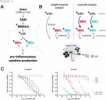
Wong, Manuia, Gao et al
RSC Chem Biol (2026)
Cited by 1
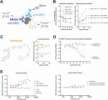
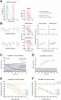
AI Summary: OriGene contributed recombinant murine MK2 (catalog number TP506027) for use in the high-throughput assays developed in this study to measure target occupancy of covalent compounds.
Snippet: composition, minus glycerol (25 mM Tris-HCl [pH 7.5], 150 mM NaCl, 1 mM EDTA, and 1% NP-40).Proteins and peptidesRecombinant murine MK2 (TP506027) was purchased from OriGene (Rockville, MD, U.S.A.) whereas active human MK2 (02-142) and MK3 (02-143) were purchased from Carna Biosciences (Natick, MA, U.S.A.). Human p38α (PV3304) and unactive human MK2 (PV3316) and
Showing 1-1 of 1 papers.
Powered by BizGenius
*Delivery time may vary from web posted schedule. Occasional delays may occur due to unforeseen
complexities in the preparation of your product. International customers may expect an additional 1-2 weeks
in shipping.
Related Products
- Price:
- Actual Price:
Welcome to OriGene AI!
I'm your AI-powered guide to everything OriGene.
Ask me anything:
- Product specs
- Ordering help
- Technical questions
- How to find exactly what your experiment needs
Prefer a live agent? Connect with us by clicking the green chat icon, as seen in the image below or email our team at custsupport@origene.com.
