



 Germany
 Japan
Japan
 United Kingdom
 China
China
AlaRS (AARS) (NM_001605) Human Mass Spec Standard
CAT#: PH302136
AARS MS Standard C13 and N15-labeled recombinant protein (NP_001596)
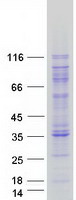
Product Images
Frequently bought together (2)
Other products for "AlaRS"
Specifications
| Product Data | |
| Tag | C-Myc/DDK |
| Species | Human |
| Expression Host | HEK293 |
| Expression cDNA Clone or AA Sequence | RC202136 |
| Predicted MW | 106.8 kDa |
| Protein Sequence |
>RC202136 protein sequence
Red=Cloning site Green=Tags(s) MDSTLTASEIRQRFIDFFKRNEHTYVHSSATIPLDDPTLLFANAGMNQFKPIFLNTIDPSHPMAKLSRAA NTQKCIRAGGKHNDLDDVGKDVYHHTFFEMLGSWSFGDYFKELACKMALELLTQEFGIPIERLYVTYFGG DEAAGLEADLECKQIWQNLGLDDTKILPGNMKDNFWEMGDTGPCGPCSEIHYDRIGGRDAAHLVNQDDPN VLEIWNLVFIQYNREADGILKPLPKKSIDTGMGLERLVSVLQNKMSNYDTDLFVPYFEAIQKGTGARPYT GKVGAEDADGIDMAYRVLADHARTITVALADGGRPDNTGRGYVLRRILRRAVRYAHEKLNASRGFFATLV DVVVQSLGDAFPELKKDPDMVKDIINEEEVQFLKTLSRGRRILDRKIQSLGDSKTIPGDTAWLLYDTYGF PVDLTGLIAEEKGLVVDMDGFEEERKLAQLKSQGKGAGGEDLIMLDIYAIEELRARGLEVTDDSPKYNYH LDSSGSYVFENTVATVMALRREKMFVEEVSTGQECGVVLDKTCFYAEQGGQIYDEGYLVKVDDSSEDKTE FTVKNAQVRGGYVLHIGTIYGDLKVGDQVWLFIDEPRRRPIMSNHTATHILNFALRSVLGEADQKGSLVA PDRLRFDFTAKGAMSTQQIKKAEEIANEMIEAAKAVYTQDCPLAAAKAIQGLRAVFDETYPDPVRVVSIG VPVSELLDDPSGPAGSLTSVEFCGGTHLRNSSHAGAFVIVTEEAIAKGIRRIVAVTGAEAQKALRKAESL KKCLSVMEAKVKAQTAPNKDVQREIADLGEALATAVIPQWQKDELRETLKSLKKVMDDLDRASKADVQKR VLEKTKQFIDSNPNQPLVILEMESGASAKALNEALKLFKMHSPQTSAMLFTVDNEAGKITCLCQVPQNAA NRGLKASEWVQQVSGLMDGKGGGKDVSAQATGKNVGCLQEALQLATSFAQLRLGDVKN TRTRPLEQKLISEEDLAANDILDYKDDDDKV |
| Purity | > 80% as determined by SDS-PAGE and Coomassie blue staining |
| Concentration | >0.05 µg/µL as determined by microplate BCA method |
| Labeling Method | Labeled with [U- 13C6, 15N4]-L-Arginine and [U- 13C6, 15N2]-L-Lysine |
| Buffer | 25 mM Tris-HCl, 100 mM glycine, pH 7.3 |
| Storage | Store at -80°C. Avoid repeated freeze-thaw cycles. |
| Stability | Stable for 3 months from receipt of products under proper storage and handling conditions. |
| Reference Data | |
| RefSeq | NP_001596 |
| RefSeq Size | 3344 |
| RefSeq ORF | 2904 |
| Synonyms | AARS; CMT2N; DEE29; EIEE29 |
| Locus ID | 16 |
| UniProt ID | P49588 |
| Cytogenetics | 16q22.1 |
| Summary | The human alanyl-tRNA synthetase (AARS) belongs to a family of tRNA synthases, of the class II enzymes. Class II tRNA synthases evolved early in evolution and are highly conserved. This is reflected by the fact that 498 of the 968-residue polypeptide human AARS shares 41% identity witht the E.coli protein. tRNA synthases are the enzymes that interpret the RNA code and attach specific aminoacids to the tRNAs that contain the cognate trinucleotide anticodons. They consist of a catalytic domain which interacts with the amino acid acceptor-T psi C helix of the tRNA, and a second domain which interacts with the rest of the tRNA structure. [provided by RefSeq, Jul 2008] |
| Protein Pathways | Aminoacyl-tRNA biosynthesis |
Documents
| FAQs |
| SDS |
Resources
Recombinant Protein Resources |
Other Versions
{0} Product Review(s)
0 Product Review(s)
Submit review
Be the first one to submit a review
Product Citations
*Delivery time may vary from web posted schedule. Occasional delays may occur due to unforeseen
complexities in the preparation of your product. International customers may expect an additional 1-2 weeks
in shipping.