
CD11c (ITGAX) Rabbit Polyclonal Antibody

Specifications
| Product Data | |
| Application | IHC |
|---|---|
| Recommended Dilution | IHC: 15-50 Positive control: Human gasrtic cancer Predicted cell location: Cytoplasm |
| Reactivity | Human |
| Antibody Host | Rabbit |
| Isotype | IgG |
| Clonality | Polyclonal |
| Immunogen | Synthetic peptide corresponding to a region derived from 1150-1163 amino acids of Human integrin, alpha X (complement component 3 receptor 4 subunit) |
| Buffer | PBS pH7.3, 0.05% NaN3, 50% glycerol |
| Concentration | lot specific |
| Purification | Antigen affinity purification |
| Conjugation | Unconjugated |
| Storage | Store at -20°C as received. |
| Stability | Stable for 12 months from date of receipt. |
| Shipping | Blue Ice |
| Gene Name | integrin subunit alpha X |
| Database Link | |
| Background | This gene encodes the integrin alpha X chain protein. Integrins are heterodimeric integral membrane proteins composed of an alpha chain and a beta chain. This protein combines with the beta 2 chain (ITGB2) to form a leukocyte-specific integrin referred to as inactivated-C3b (iC3b) receptor 4 (CR4). The alpha X beta 2 complex seems to overlap the properties of the alpha M beta 2 integrin in the adherence of neutrophils and monocytes to stimulated endothelium cells; and in the phagocytosis of complement coated particles. |
| Synonyms | CD11C; SLEB6 |
| Reference Data | |
| Protein Categories | CD Markers, Intracellular Proteins, Membrane Proteins |
| Protein Families | Druggable Genome, Transmembrane |
| Protein Pathways | Regulation of actin cytoskeleton |
Reviews


Documents
| Product Manuals |
| FAQs |
| SDS |
Citations
Doxorubicin-Loaded UiO-66/Bi2S3 Nanocomposite-Enhanced Synergistic Transarterial Chemoembolization and Photothermal Therapy against Hepatocellular Carcinoma
Liu, Zhuang, Tan et al
ACS Appl Mater Interfaces (2022) 14 (6), 7579-7591 DOI: 10.1021/acsami.1c19121
Liu, Zhuang, Tan et al
ACS Appl Mater Interfaces (2022) 14 (6), 7579-7591 DOI: 10.1021/acsami.1c19121
Cited by 47
Regulation of lipid-induced macrophage polarization through modulating peroxisome proliferator-activated receptor-gamma activity affects hepatic lipid metabolism via a Toll-like receptor 4/NF-κB signaling pathway
Wu, Ni, Xu et al
J. Gastroenterol. Hepatol. (2020)
Wu, Ni, Xu et al
J. Gastroenterol. Hepatol. (2020)
Cited by 103
AI Summary: In this study, the OriGene anti-CD11c antibody was used for immunostaining to identify and analyze macrophage polarization in liver tissue, contributing to the assessment of inflammatory cell populations during hepatic lipid metabolism experiments.
Snippet: sections were blocked with donkey serum followed by incubation with antibodies against F4/80 (1:50, GeneTex) and CD11c (1:50, Origene) overnight at 4°C, then were incubated with fluorochrome-conjugated secondary antibody (1:500, Alexa Fluor 488 donkey anti
Unexpected mechanism of colitis amelioration by artesunate, a natural product from Artemisia annua L
Sun, Han, Wu et al
Inflammopharmacology (2019)
Sun, Han, Wu et al
Inflammopharmacology (2019)
Cited by 34
AI Summary: In this study, the OriGene CD11c antibody was used for immunohistological analysis to identify and quantify dendritic cells in colon tissue sections, helping to assess the effects of artesunate on innate immune cell populations during colitis.
Snippet: Paraffin-embedded sections were deparaffinized and incubated with primary antibody against F4/80 (1:75) (GeneTex, USA) or CD11c (1:40) (Origene, USA) overnight at 4 ℃. The immunoreactive score (IRS), defined as IRS = cell staining intensity × percentage of positive
Extremely strong infiltration of WT1-specific CTLs into mouse tumor by the combination vaccine with WT1-specific CTL and helper peptides
Nakata, Nakajima, Hayashibara et al
Oncotarget (2018) 9 (89), 36029-36038 DOI: 10.18632/oncotarget.26338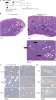
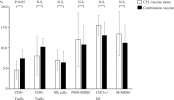
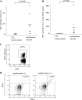
Nakata, Nakajima, Hayashibara et al
Oncotarget (2018) 9 (89), 36029-36038 DOI: 10.18632/oncotarget.26338
Snippet: solution (DAKO), the sections were incubated with anti-mouse CD4 monoclonal antibody (Sino Biological, Beijing, China) or anti-mouse CD8 polyclonal antibody (Bioss Antibodies, Boston, MA, USA) or Anti-ITGAX rabbit polyclonal antibody (OriGene Technologies;After the peroxidase-blocking with Dako peroxidase-blocking solution (DAKO), the sections were incubated with anti-mouse CD4 monoclonal antibody...
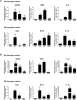
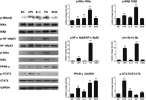
Effect of modulation of PPAR-γ activity on Kupffer cells M1/M2 polarization in the development of non-alcoholic fatty liver disease
Luo, Xu, Wang et al
Sci Rep (2017) 7, 44612 DOI: 10.1038/srep44612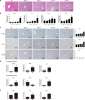
Luo, Xu, Wang et al
Sci Rep (2017) 7, 44612 DOI: 10.1038/srep44612
AI Summary: In this study, OriGene's anti-mouse CD11c antibody was used for immunohistochemistry to identify and analyze macrophage polarization in liver tissue, contributing to the investigation of PPAR-γ's role in Kupffer cell M1/M2 polarization during non-alcoholic fatty liver disease development.
Snippet: For immunohistochemistry, the liver sections were blocked in normal serum and incubated with anti-mouse F4/80 antibody (1:100, GeneTex), anti-mouse CD11c antibody (1:50, OriGene) and anti-mouse CD206 antibody (1:100, Abcam) at 4 °C overnight followed by ... All 3 versions Cite SaveSaving
Showing 1-5 of 5 papers.
Powered by BizGenius
*Delivery time may vary from web posted schedule. Occasional delays may occur due to unforeseen
complexities in the preparation of your product. International customers may expect an additional 1-2 weeks
in shipping.
Related Products
- Price:
- Actual Price:
Welcome to OriGene AI!
I'm your AI-powered guide to everything OriGene.
Ask me anything:
- Product specs
- Ordering help
- Technical questions
- How to find exactly what your experiment needs
Prefer a live agent? Connect with us by clicking the green chat icon, as seen in the image below or email our team at custsupport@origene.com.
